Seville in three days: what to prioritize
I almost overplanned Seville on paper—until I looked at the clock: in a three-day long weekend, your real constraints aren’t “what exists,” but timed entry windows, midday heat, and how quickly historic-center crowds turn simple walks into slow shuffles.
If you want the trip to feel smooth, anchor the whole plan on two mornings with tickets: the Alcázar (give it first claim on your best energy) and the Cathedral/Giralda (do it early or accept queues). Pair those with Santa Cruz in the late afternoon when lanes finally feel breathable, not like a funnel. Then spend the third day on the “open-air Seville” loop—Plaza de España and María Luisa—because parks tolerate schedule drift better than monuments do.
The trade you’ll keep making is pace versus texture: you can stack more sights, but Seville’s best moments tend to happen between them—tapas stops, shaded plazas, a slow bridge crossing to Triana. I’d rather cut one minor museum than force a zigzag that burns your feet and your patience.
Before you go: tickets, timing, and walking map
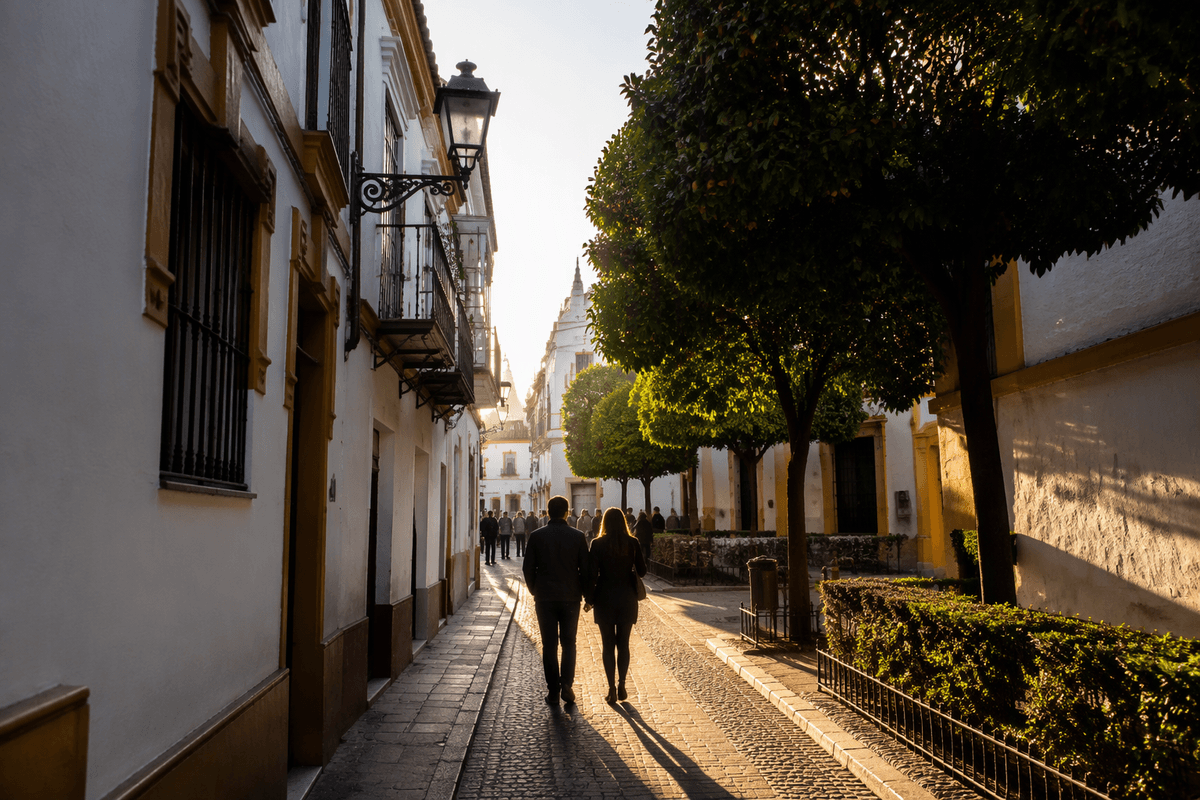
The first decision is whether you want Seville to run on your clock or the ticket queues. I’d lock Alcázar and Cathedral/Giralda times as soon as you’ve chosen your dates, because the “we’ll just show up early” strategy works until it doesn’t—especially on weekends and during school-holiday weeks. Aim for the earliest practical entry (9:30–10:30 is the sweet spot), but don’t book back-to-back: give yourself a real buffer for security lines and the inevitable “wait, is this the right gate?” moment.
Timing-wise, plan like a local: do indoor/tower climbs in the morning, then treat 14:00–17:00 as flexible time. If you try to power-walk Santa Cruz at peak heat, the lanes feel cramped and you’ll start paying for every sunny corner with extra stops (and extra drinks). A late-afternoon wander is slower, but it’s also when the neighborhood finally feels human again.
For a low-friction walking map, pin three clusters: (1) Alcázar + Cathedral + Santa Cruz (all basically one zone), (2) Triana across the river, (3) Plaza de España + María Luisa Park. The only “long” hop is Triana ↔ Plaza de España, and even that gets easier if you commit to a taxi/bus once, instead of zigzagging on foot all weekend.
Day 1: Cathedral, Giralda, and Santa Cruz lanes
I debated booking the Cathedral first thing or “saving it for later,” and Seville made the answer obvious: by mid-morning the plaza heat climbs and the entry area turns into a slow-moving knot. If you can, aim for a morning slot and treat the Cathedral + Giralda as one combined block—because splitting them sounds efficient until you realize you’ll re-do security lines and re-enter the same crowded zone twice.
Inside, the Cathedral rewards unhurried pacing, but the Giralda is where you’ll feel your timing choices. The ramps are manageable, yet it’s still a climb, and it gets stickier when the tower is busy (overtaking is awkward, and the air can feel stale). If you’re sensitive to heat or crowds, go up sooner than you think—waiting for “later” often means more bodies, warmer stone, and a less relaxed view when you finally reach the top.
When you spill back out, resist the temptation to march straight into Santa Cruz at peak sun. Instead, give yourself a deliberate pause—coffee, a cold drink, even a shaded bench—then drift into the lanes in late afternoon. Santa Cruz works best when you let it be slightly inefficient: you’ll take wrong turns, doubles back will happen, and that’s fine as long as you’re not trying to hit another timed entry right after. The neighborhood feels calmer once the day softens, and the narrow streets stop feeling like a bottleneck.
If you still want “one more” nearby landmark on Day 1, keep it small and close—something you can abandon without regret if your feet start arguing. Seville punishes the urge to stack extras after the tower; it’s not the distance, it’s the cumulative standing, sun, and crowd friction that quietly drains the evening.
Day 2: Alcázar morning, Triana afternoon, tapas night
The morning I did the Alcázar, the only “hard” part was getting myself to take the entry time seriously—because the area around the gates invites casual wandering, and that’s exactly how you end up watching your slot evaporate in a security line. I’d book a morning entry (early if you can), arrive with a small buffer, and treat the Alcázar as a single, protected block of time. It’s a place where rushing feels especially self-defeating: the rooms and courtyards reward lingering, but the narrow interior pinch points get frustrating if you’re trying to weave around tour groups on a deadline.
Once you’re out, don’t force another big-ticket sight in the same zone just because you’re “already here.” This is where Seville’s heat-management plan matters: step away for a slow lunch or a real sit-down break, then cross to Triana when you’re ready to walk again. Going over the river is mentally refreshing, but it’s also a commitment—Triana is best when you let yourself browse ceramics and side streets without thinking about sprinting back for a timed entry.
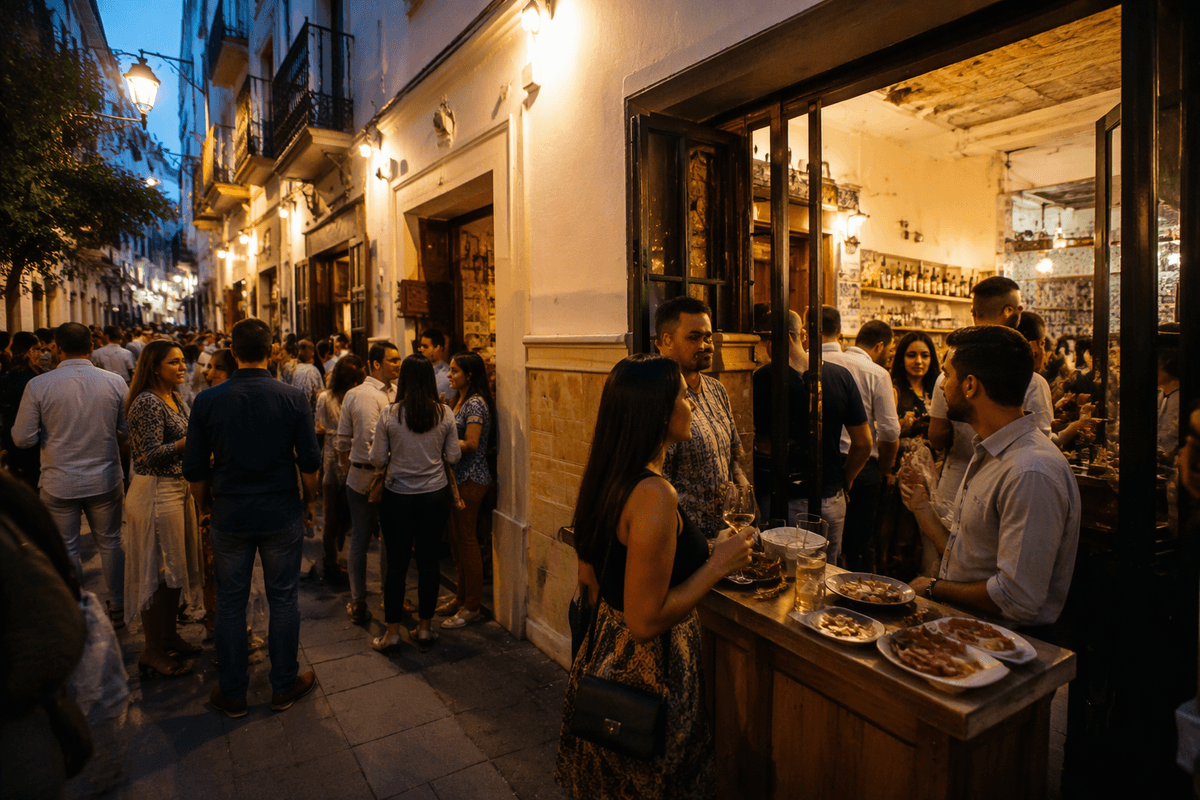
For the evening, I’d keep your tapas night loosely structured: pick a small cluster of stops and accept that one will be crowded, one will be perfect, and one will be a “we’re not waiting 40 minutes for this” pivot. If you’re tired, do fewer places and order more at each; if you chase a long list, you’ll spend the night standing in doorways instead of actually eating.
Day 3: Plaza de España, María Luisa, and nearby ruins
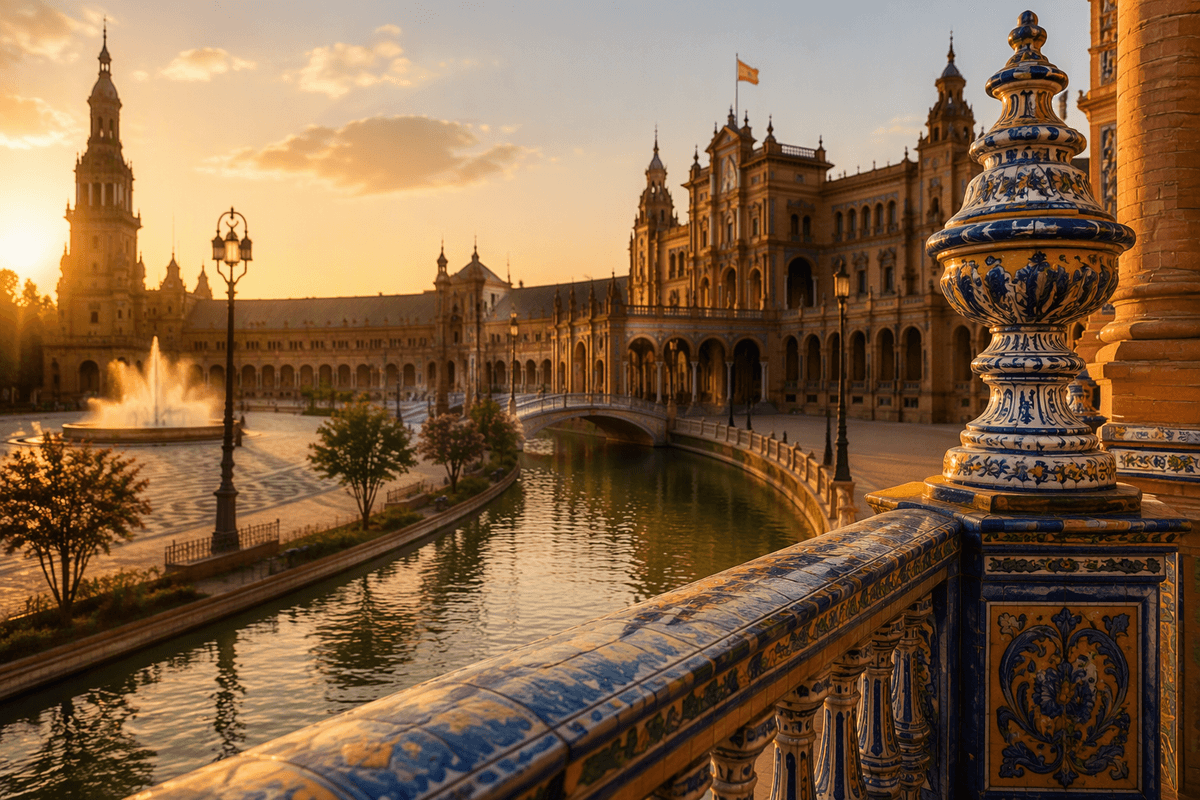
The third morning I tried to “just stroll” to Plaza de España, and immediately ran into the first real friction of Day 3: it looks close on a map, but in rising heat the walk can feel longer than it should—especially if you’ve been doing 20,000-step days. If you’re staying near the Cathedral area, I’d either go early (think 9:00-ish) and walk with purpose, or take a short taxi/bus hop and save your legs for the park loop. Plaza de España is at its best before the tour groups thicken and the tiled alcoves become a photo queue; later, you’ll still get the scale, but not the calm.
Once you’ve done a full lap (and yes, you’ll be tempted to stop at every bench tile), slide straight into María Luisa Park while you still have momentum. The park is forgiving in a way the monuments aren’t: shade buys you time, and you can downshift without feeling like you’re “missing your slot.” What doesn’t work as well is treating it like a checklist—if you try to power-walk every path, it turns into a sweaty navigation exercise instead of a reset.
If you want a nearby “ruins” add-on, this is the day to keep it modest and conditional: do it only if you’re still enjoying being outside. The practical move is choosing one small archaeological stop (or a quick riverside detour) rather than bouncing back toward the historic center, because the backtrack cost shows up later—right when you want energy for one last good meal. Day 3 lands best when you let it be spacious: fewer pins, more shade, and a little room for the day to run long without consequences.
Wrap-up: choosing your “Seville” moments
On the last afternoon, what I wanted most wasn’t another pin on the map—it was a version of Seville that didn’t feel like I’d been sprinting between entry times. If you’re choosing what to repeat (or what to let go), use your body as the metric: if the heat has been winning, trade one more landmark for a slower wander and a longer sit-down meal, because the “extra sight” usually costs you the evening.
The cleanest way to leave Seville satisfied is to protect the two mornings that need structure, then let the rest stay a little messy on purpose. If you’re torn between “seeing everything” and actually enjoying it, pick one non-negotiable moment—tower view, palace calm, river-crossing reset—and let the smaller pieces bend around it. You’ll remember the unhurried parts longer than the queues.