Beyond Marrakech’s Famous Sights
On a short first visit, the temptation is to fit as many famous attractions as possible into the itinerary. However, Marrakech is often more rewarding when you spend time exploring one compact area rather than rushing between distant sights. The medina is particularly suited to slower exploration, with narrow streets leading past traditional workshops, spice stalls, small courtyards, local bakeries, and shops selling handmade goods. Beyond the main attractions, everyday activity offers a closer look at the city’s crafts, food culture, and traditional way of life. Leave room for unplanned stops, whether that means browsing a market stall, sampling local pastries, or taking a break at a quiet café.
Exploring the medina also requires some preparation. Its winding lanes can be difficult to navigate, while crowded market areas, uneven paths, and afternoon heat may make extended walks tiring. A guided walking tour helps connect the different parts of the neighborhood with their history and cultural context, while reducing the time spent finding your way. Independent exploration works just as well for travelers who prefer a flexible pace, provided they mark a few key landmarks and allow extra time between stops. Focusing on one area each day leaves more room to appreciate Marrakech beyond its familiar photo spots and makes a short stay feel less like a checklist of attractions.
Riads: Architecture Built Around Privacy
After the noise of the medina, a riad can feel unexpectedly still. Its rooms face inward toward a courtyard, so the architecture creates privacy rather than street-facing views; this makes a short visit calmer, but also means much of its character is hidden behind an unmarked doorway.
Staying in one offers the clearest experience, though prices vary sharply and the location may involve dragging luggage through crowded lanes. A guided visit or meal in a restored riad is cheaper and easier to fit into a tight itinerary, but it can feel more curated than lived-in. Choose a riad near your main walking route, and treat the courtyard, tiled work, carved plaster, and shaded proportions as the experience—not simply another place to sleep.
Medina Streets and Traditional Craft
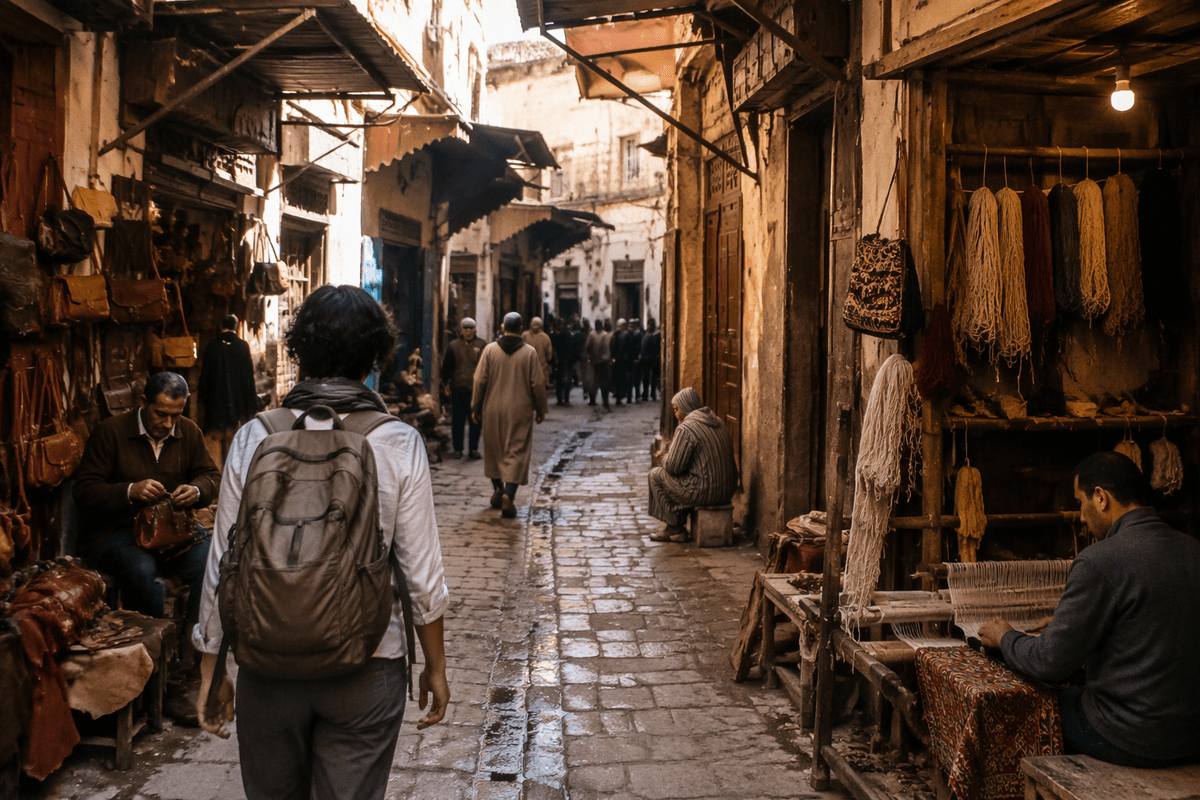
Leaving the riad, the medina becomes less composed. Main lanes connect popular sights, but their crowds and shopfronts can make traditional craft feel staged; quieter side streets reveal workshops, though they are easier to miss and less comfortable to navigate without a map or guide.
For limited time, prioritize one craft area rather than trying to cover the whole medina. Metalworkers, leather sellers, weavers, and woodworkers often work close together, but prices reflect bargaining, presentation, and tourist access as much as workmanship. A guided visit can explain techniques and reduce route confusion, while wandering independently costs less and allows more ordinary observations. Expect uneven paving, motorbikes, and sudden bottlenecks, especially near souks and major monuments; comfortable shoes and an early start make the same route considerably easier.
Markets, Food, and Neighborhood Rhythms
By late morning, the souks become less about browsing and more about managing heat, noise, and decision fatigue. Food stalls around Jemaa el-Fnaa are convenient for a first taste of tanjia, grilled meats, or fresh juice, but prices and quality vary, and the busiest terraces can feel designed for visitors rather than residents. A small neighborhood bakery or café is usually cheaper and quieter, though menus may be limited and service slower.
To see a more ordinary rhythm, walk beyond the main souk toward residential lanes where groceries, pharmacies, and produce shops replace souvenir stalls. This takes more effort and offers fewer obvious landmarks, but it reveals how the medina functions between tourist stops. Plan one market meal, then leave time to sit, observe, and adjust; trying to eat everywhere can turn a useful neighborhood walk into another crowded checklist.
Respectful Ways to Meet Local Communities
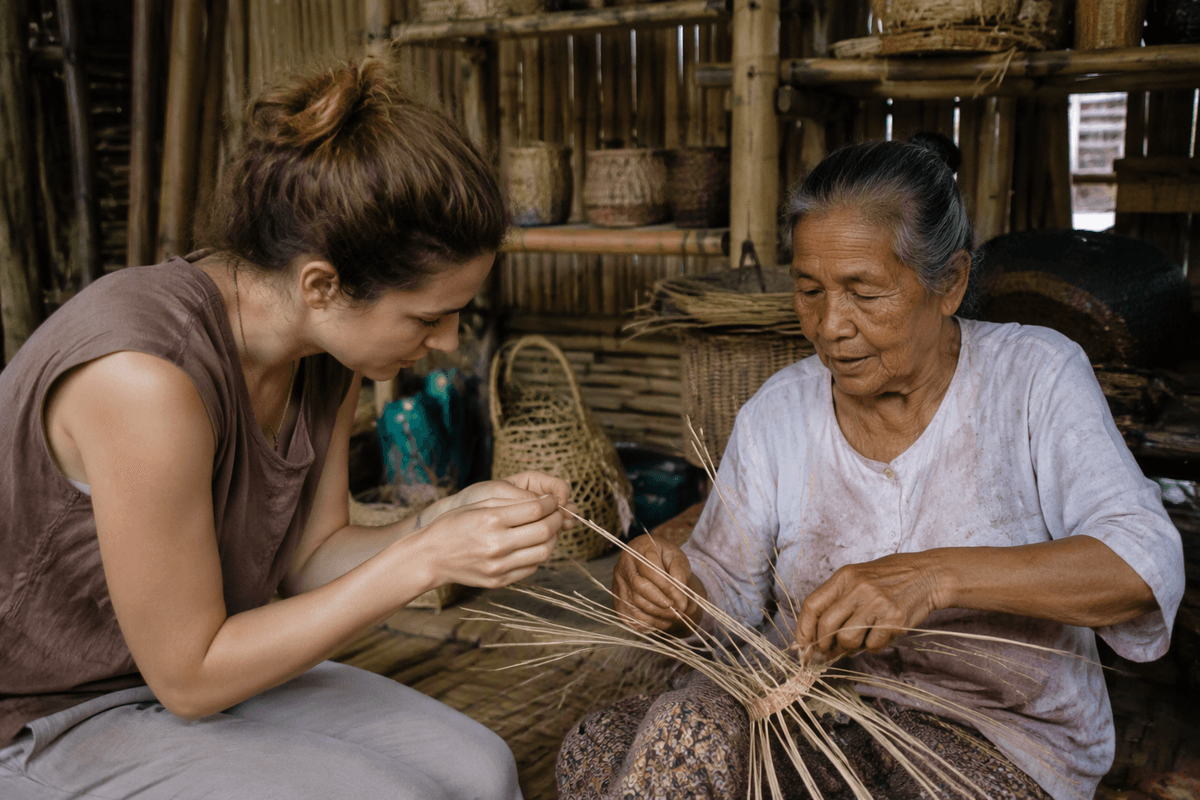
Meeting local residents works best when it grows out of an ordinary activity rather than a staged encounter. A small cooking class, neighborhood café, or craft workshop can offer useful conversation and context, but choose carefully: some experiences are tightly scripted, while independent shops may welcome questions only when business is quiet. Paying fairly, asking before photographing people or interiors, and accepting a polite refusal keeps curiosity from becoming intrusion.
Guided walks can help first-time visitors cross cultural and practical gaps, especially in residential areas where getting lost is easy. They add cost and may steer you toward partner businesses, so compare the route and group size before booking. On a short visit, one respectful, slower interaction is usually more revealing than several hurried stops.
Seeing Marrakech Through Everyday Details
By the final day, Marrakech often makes more sense in small details than major sights: a shaded doorway, bread cooling outside a bakery, or shopkeepers closing briefly for prayer. These moments cost nothing, but require slower movement and attention; a packed itinerary can pass them unnoticed.
Choose one walkable area, accept a few wrong turns, and leave room for fatigue or heat. The most useful plan is not the one with the most stops, but the one that lets traditional architecture and ordinary routines become visible.