Slovenia isn’t just Bled—what are you missing?
I hesitated before pinning Lake Bled to the map—not because it isn’t pretty, but because it can swallow a whole day in crowds and parking stress if you’re flying into Ljubljana with only 5–8 days.
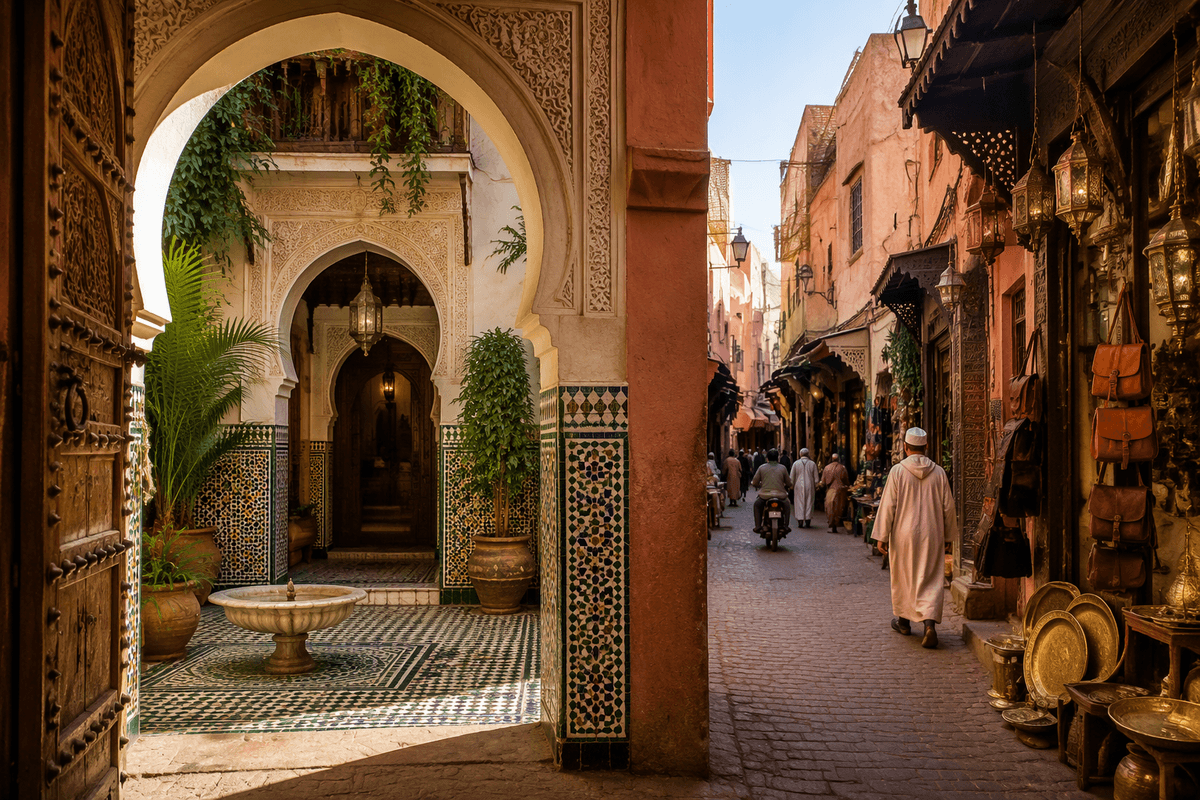
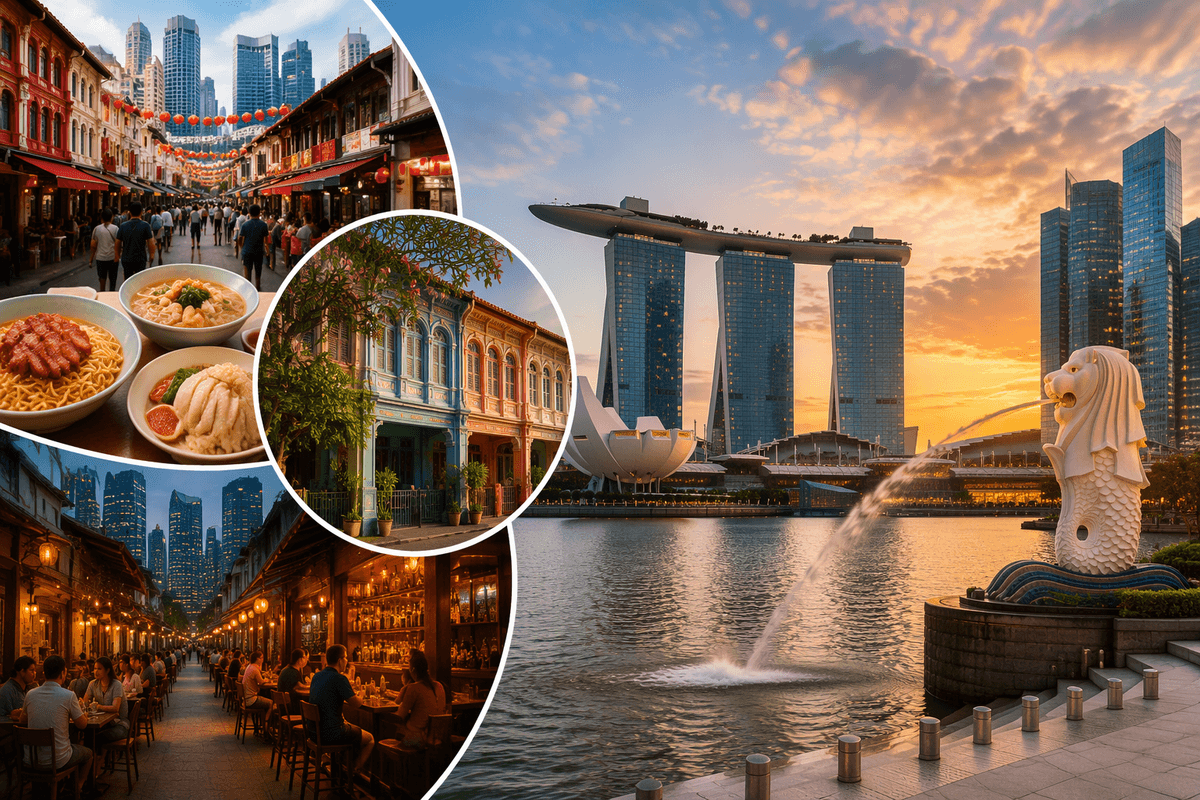
If you want Slovenia to feel bigger (and quieter), my seven beyond-Bled picks are: Ljubljana (easy first/last night, no car needed), Piran (iconic coast, better as an overnight than a rushed day trip), Škocjan Caves (powerful, time-slotted entry), Soča Valley (the “wow” river scenery, needs at least 1–2 nights), Kranjska Gora (Alpine base with simpler logistics), Logar Valley (stunning but more remote—car helps), and Ptuj (small, historical, low-effort detour).
With buses you’ll naturally cluster: city + coast + caves; with a car you can add Soča and Logar without burning energy on connections.
Quick picks by vibe, season, and travel time
The first real decision is whether you’re optimizing for “low-friction” or “peak scenery.” If you’re arriving on an evening flight and don’t want to wrestle a rental car immediately, Ljubljana + Ptuj is the easiest pairing: both work well on foot, and you’re not gambling your day on parking or mountain roads. The limitation is that you’ll miss the dramatic landscapes unless you commit extra time later.
If you’re chasing water and views, split by season: in summer, Piran/Izola is calmer as an overnight (day-trippers thin out after dinner), while Škocjan is better on a shoulder-season morning when tour slots don’t sell out as fast. For big Alpine payoff, Soča Valley is the “worth the drive” pick, but only if you can give it 1–2 nights—doing it as a long day trip from Ljubljana tends to turn into windshield time. Logar Valley is similar: stunning and quiet, but with enough distance that buses make it feel like work.
Coastal Slovenia: Piran and Izola
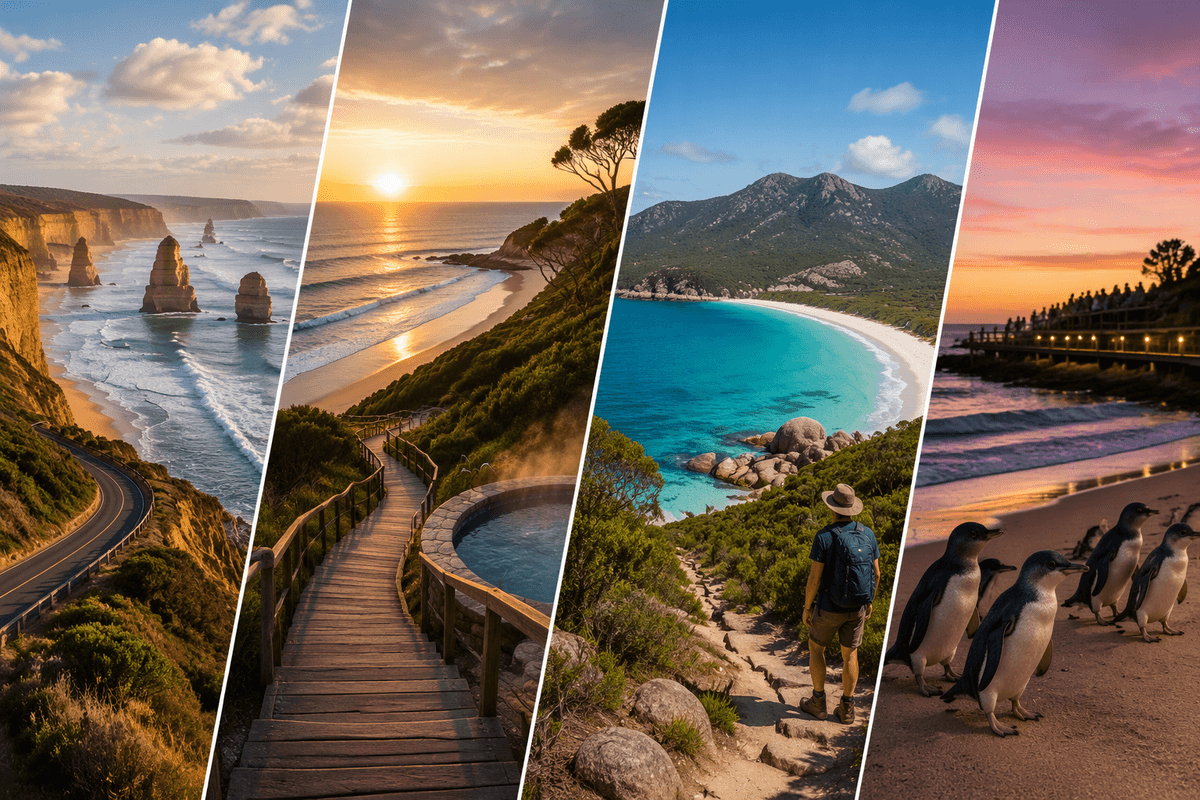
I learned quickly that the coast is where a “simple day trip” becomes a timing problem: arrive in Piran late morning and you’re immediately negotiating crowds, heat, and the small hassle of where you’re allowed to leave a car. It works better when you accept that Piran isn’t built for easy access—park outside town and walk or shuttle in—because trying to drive all the way to the edge turns into slow, cramped minutes you don’t get back.
Piran is the photogenic choice, but it’s also the one most punished by mid-day day-trippers. If you can swing it, sleep there (or nearby) so you get the quieter window: early morning light, then a slower dinner when the streets finally loosen up. Izola is the practical counterweight—less “postcard,” more lived-in—and that makes it easier when you’re travel-tired or watching your budget.
Logistically, both are doable without a car from Ljubljana, but buses add rigidity: miss a connection and you’ll feel the coast slip away. If you’re already renting a car for caves or the mountains, the coast becomes an easy overnight pivot rather than a separate mission.
Karst highlight: Škocjan Caves
I tried to “fit in” Škocjan on the way back from the coast, I realized it doesn’t reward improvisation: entry is time-slotted, and if you’re late, you’re not just losing minutes—you’re potentially losing your spot. It’s the kind of place that feels effortless only if you commit to a specific window (ideally morning), then build the rest of the day around that decision.
Škocjan hit harder than I expected because it’s less about pretty formations and more about scale—the cavern and river noise make it feel raw, almost industrial. That said, it’s not a choose-your-own-pace visit: you’re moving with a group, on stairs, in cooler air, and if you’re travel-fatigued (or it’s a wet day), it can feel more strenuous than “a quick cave stop.” Compared with Postojna, Škocjan feels less theme-park and more serious, but the constraint is the same: tickets and timing run your schedule.
If you’re debating car vs buses, this is one of the stops where a car smooths the edges—buses can work, but connections tighten your margin and make those time slots more stressful than they need to be.
Alpine nature: Soča Valley, Kranjska Gora, Logar Valley
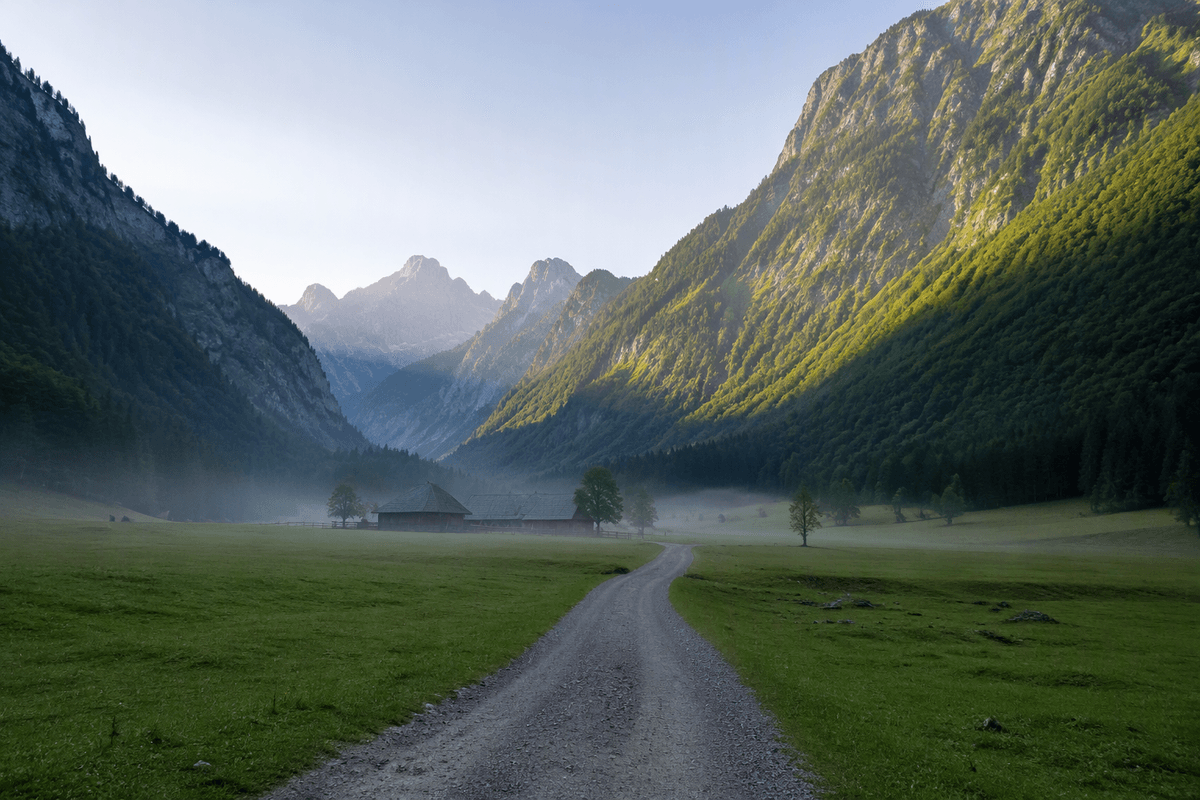
The moment you turn off the main road toward the Soča, you feel the pace change—and so does your schedule. The valley is gorgeous in a way that photographs oversimplify, but it’s not a “pop in for an hour” landscape: viewpoints, short walks, and river stops add up, and if you try to do it as a day trip from Ljubljana you’ll spend the best light in the car. I’d only commit without an overnight if you’re already sleeping near Kranjska Gora and can cross via the Vršič Pass; otherwise, give Soča 1–2 nights so you can actually sit with it (and not just collect it).
Kranjska Gora is the reliable Alpine base when you want mountains with fewer moving parts—good if you’re bus-dependent or you want a reset day without planning every turn. It’s not as jaw-dropping as Soča mile-for-mile, but that’s also why it works: you can pick a lake, a short hike, an easy dinner, and be done before fatigue makes the rest of the trip feel rushed.
Logar Valley is the quiet knockout, but it asks for commitment: it’s more remote, and the “just one more valley” instinct can backfire if you’re stacking long drives. With a car, it’s a clean overnight; without one, it starts to feel like you’re building the trip around timetables instead of scenery.
Culture and history: Ljubljana and Ptuj
I usually plan Ljubljana as a “buffer” night—then end up glad I did, because it’s the one place where the trip runs on your feet instead of your logistics. If you land in the late afternoon, skipping the rental car line and walking the riverfront is genuinely restorative; the catch is that weekends can feel busy fast, and the restaurant strip along the Ljubljanica is easiest to enjoy early (or you’ll be waiting, paying more, and hearing more English than you expected).
Ljubljana works best as first or last night because it compresses well: market area, a slow climb up toward the castle, then back down for an unplanned café stop—all without burning daylight on transfers. If you only have 5–8 days, don’t over-allocate here unless weather turns; it’s charming, but it can quietly steal time from the landscapes you flew for.
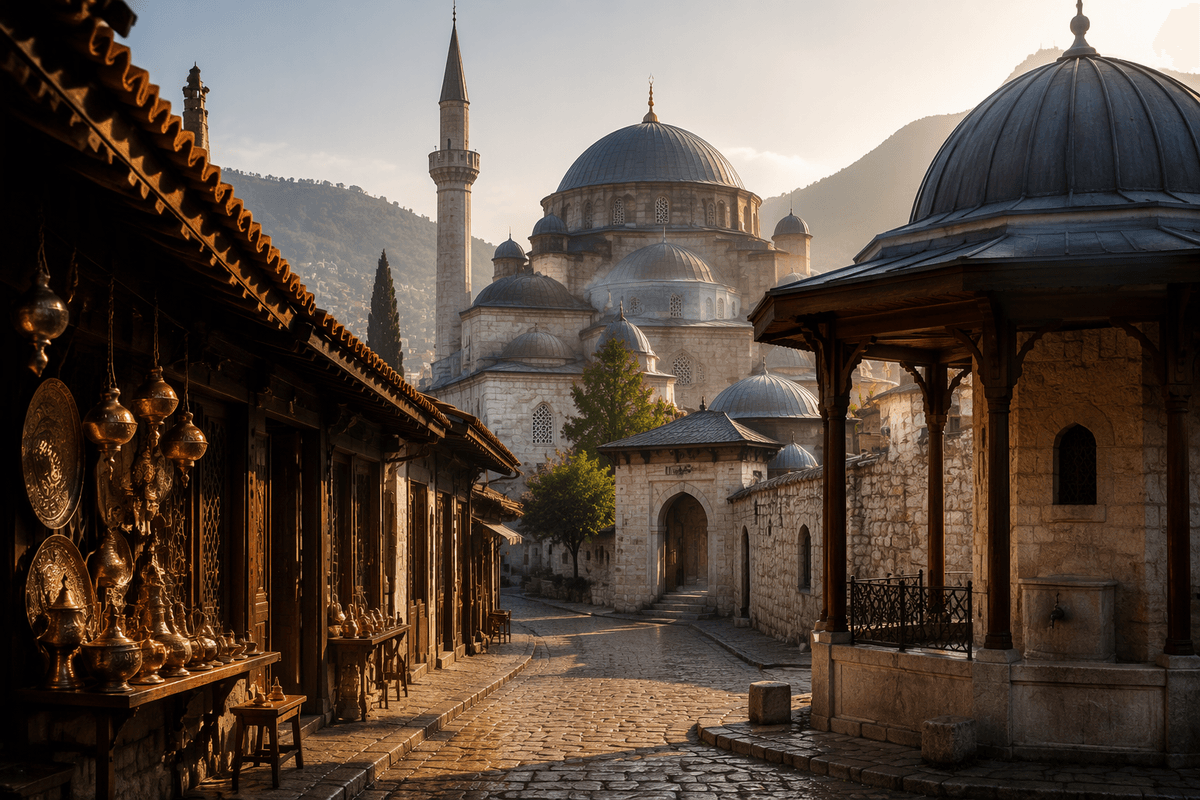
Ptuj is the culture add-on I’d choose when you want history without a “big city” day: small streets, an easy castle visit, and a calmer tempo. The limitation is positioning—without a car it’s more of a deliberate bus/train day, so it’s best as a low-effort detour on your way toward (or back from) eastern Slovenia rather than something you bolt onto an already tight loop.
Build your beyond-Bled loop and feel done
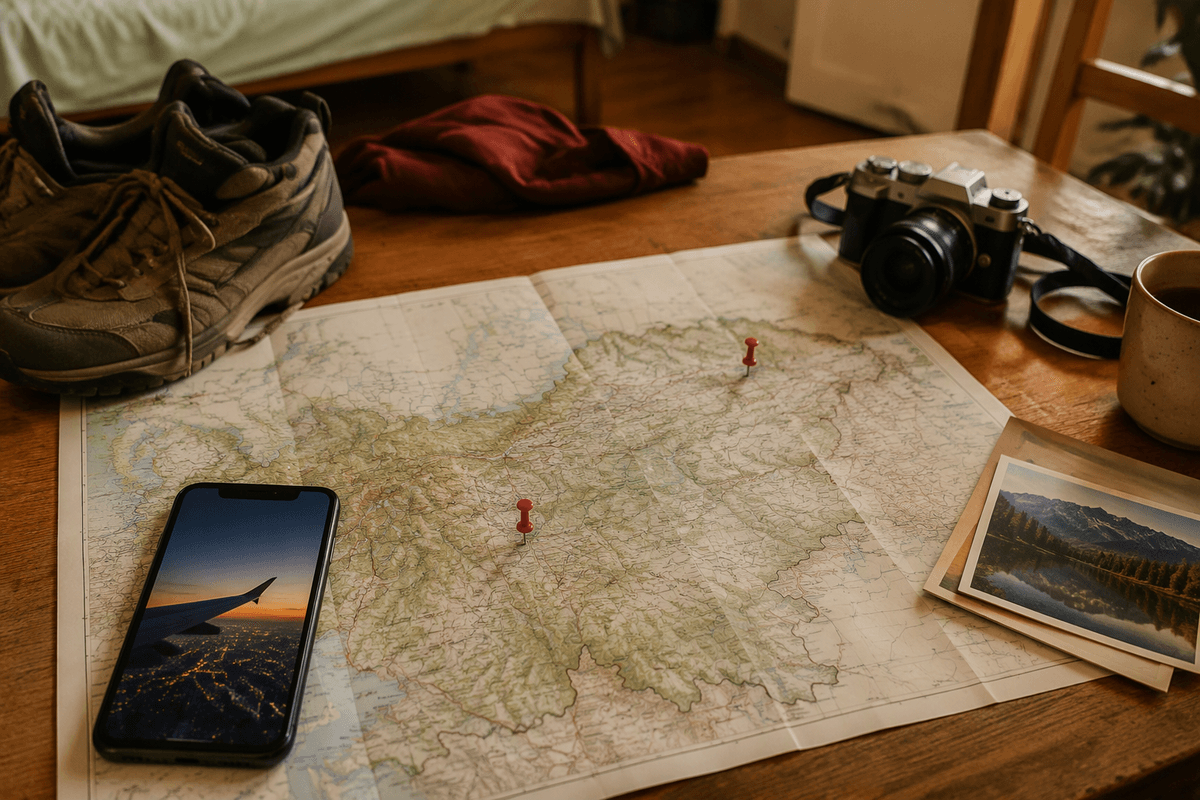
On my map, the trip finally clicked when I stopped trying to “collect” everything and instead built one loop with a clear start/end: Ljubljana → coast (Piran/Izola) → Škocjan → Alps (Soča or Kranjska Gora) → Ljubljana, with Ptuj only if you’re already shifting east and have the energy for one more change of scenery.
If you’re bus-first, keep it tighter—Ljubljana + coast + caves—and accept that Soča/Logar start to feel like timetable math. If you rent a car, use it to buy back daylight in the mountains, then return it before your last Ljubljana night so the ending feels easy, not like one more errand.