Why Diet Enters Pericarditis Conversations
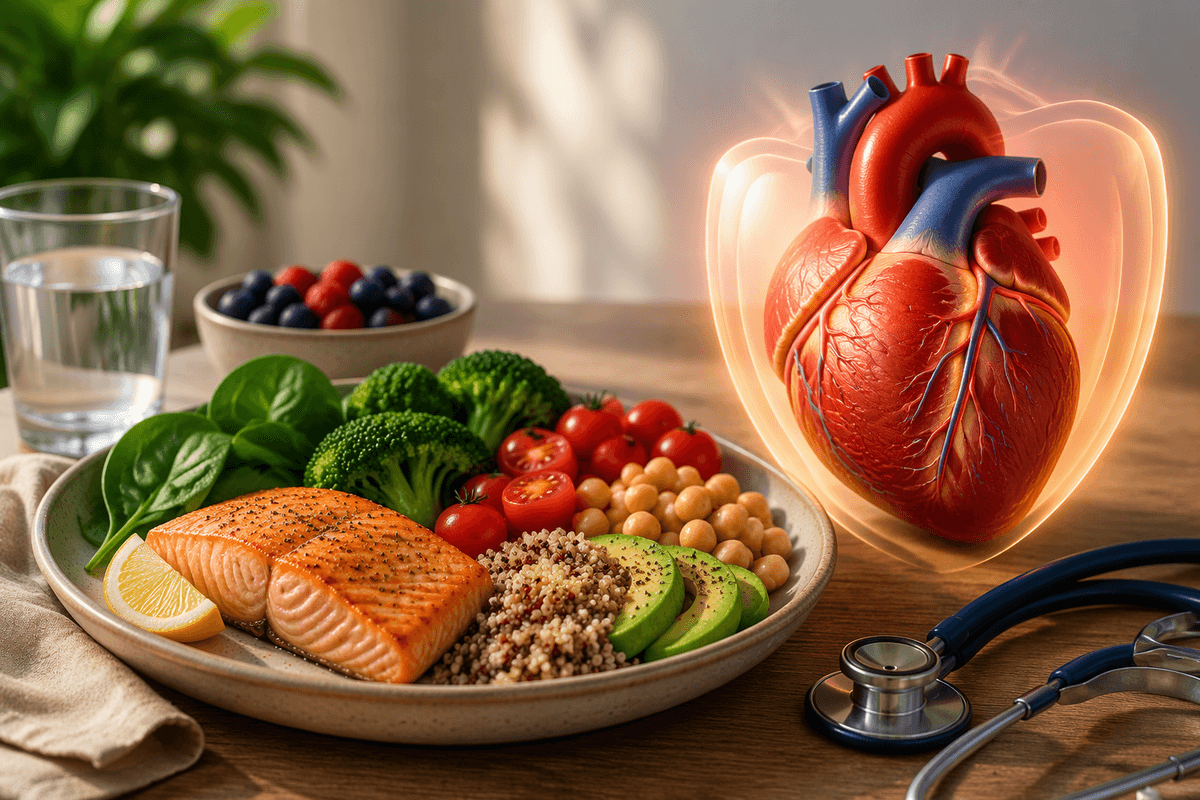
A meal can feel unusually important when chest discomfort, fatigue, or a change in appetite is already making daily routines uncertain. It is understandable to wonder whether a particular food triggered inflammation or whether removing it will speed recovery. Pericarditis involves inflammation in the sac around the heart, but food alone usually does not explain why it began or make it disappear.
Diet enters the conversation because eating patterns can influence related factors over time. Changes in salt intake may affect fluid retention, while alcohol, large meals, or certain foods may feel harder to tolerate when symptoms or medications are present. Weight and blood pressure can shift during recovery as activity decreases or appetite changes. These patterns may matter for overall cardiovascular health, but they should not be confused with a direct treatment for pericarditis. A sudden increase in weight, swelling, or worsening discomfort is more useful to discuss with a clinician than to interpret as proof that one meal caused the problem.
Inflammation Is More Complicated Than One Food
After a meal, it can be tempting to connect a familiar sensation—heaviness, bloating, warmth, or fatigue—with renewed inflammation. That connection is not always reliable. Pericarditis-related discomfort can vary during recovery, while digestion, posture, stress, reduced activity, and medication effects may create sensations that feel similar or appear at the same time. A food that seems responsible on one day may cause no noticeable change the next.
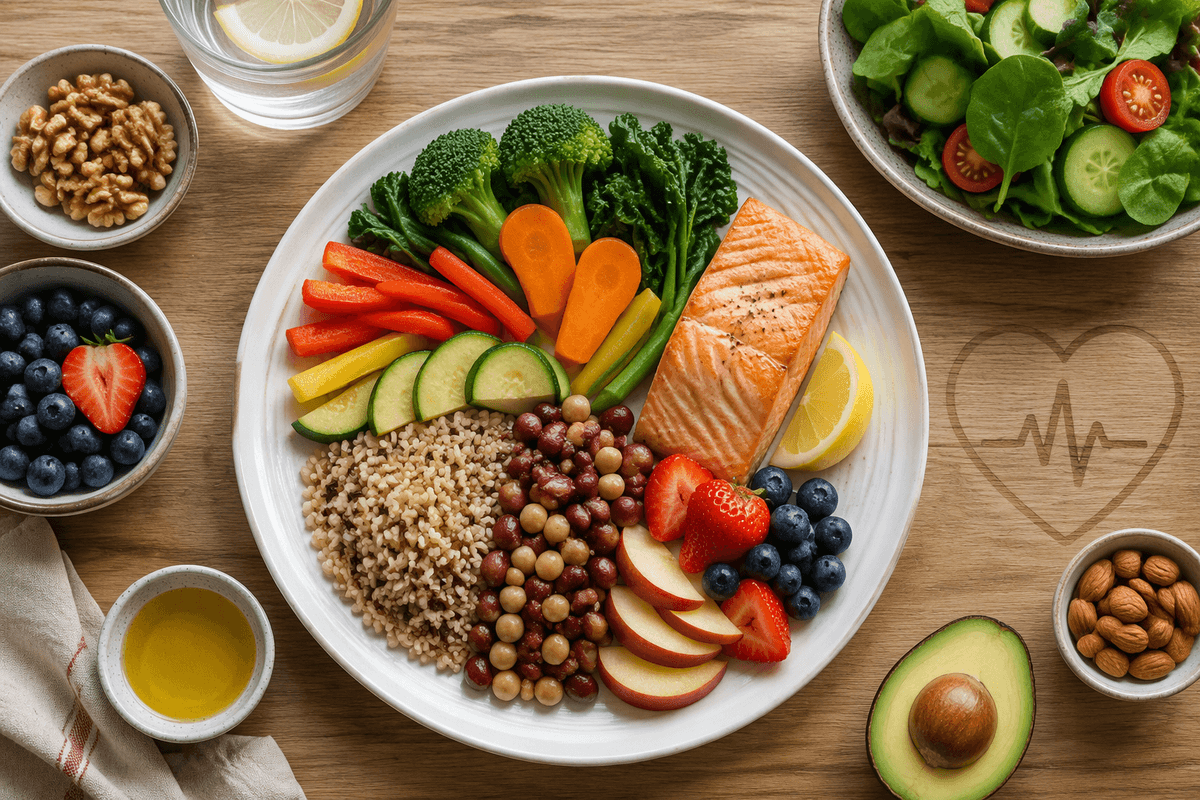
The more useful distinction is between an isolated food and an overall eating pattern. Regular meals built around vegetables, fruit, beans, whole grains, and appropriate protein may support weight, blood pressure, and general cardiovascular health, but they do not directly treat inflammation around the heart. Likewise, removing several foods at once can make it impossible to tell what changed and may reduce appetite or energy. If symptoms, weight, swelling, or tolerance of meals continue shifting, a broader pattern is usually more informative than blaming one ingredient.
The Eating Patterns That May Support Recovery
Recovery may feel more manageable when meals provide steady nourishment from day to day. A diet that regularly includes vegetables, fruit, beans, whole grains, fish, poultry, and other suitable protein sources can help support blood pressure, weight management, and energy levels while activity is limited. These benefits develop over time, however, and a balanced diet does not treat pericarditis itself or explain how quickly symptoms should improve.
Maintaining a reasonable routine matters more than getting every meal right. Reduced appetite, fatigue, and medication side effects may make cooking or eating certain foods difficult, so smaller portions and familiar ingredients may be easier to manage. Eating enough to maintain strength is particularly important when recovery limits normal activity. Alcohol also deserves consideration, since its effects may depend on current symptoms, medication use, and individual health circumstances. Even with consistent eating habits, changes in chest discomfort, swelling, weight, or fatigue should not automatically be attributed to diet. Persistent or worsening symptoms warrant medical attention rather than further dietary adjustments alone.
When Salt, Fluids, and Symptoms Intersect
A ring may feel tighter, shoes may leave deeper marks, or the scale may rise over a few days, making salt seem like an obvious explanation. Salt can contribute to fluid retention in some situations, especially when meals are heavily processed, but day-to-day weight also changes with hydration, bowel habits, activity, and timing. The pattern is therefore more useful than one salty meal. Mild bloating after eating may be uncomfortable without meaning that inflammation around the heart has worsened.
Fluids can be equally easy to misread. Drinking too little may leave someone tired, lightheaded, or constipated, while drinking excessive amounts without medical guidance may not be helpful if fluid balance is already a concern. There is no single salt or fluid target that fits everyone recovering from pericarditis; other heart or kidney conditions, blood pressure, and prescribed medicines may change what is appropriate. Noticeable swelling, rapidly increasing weight, breathlessness, or worsening chest symptoms should not be managed by abruptly restricting food or water. Those changes are better treated as information to share during follow-up care.
Medication Effects Can Change What Feels Tolerable
Familiar meals may become harder to manage once treatment for pericarditis begins. Some medicines used during recovery cause nausea, stomach irritation, reduced appetite, dizziness, or changes in taste. Discomfort may also depend on when a tablet is taken in relation to food, whether the stomach is empty, how large the meal is, or whether alcohol is consumed. Symptoms following a meal do not necessarily indicate worsening inflammation; the timing may have more to do with medication effects or the way food and medicine interact.
Reduced appetite may lead to smaller meals, leaving fatigue or lightheadedness harder to explain. Medication side effects can easily be mistaken for problems with the diet itself. Because instructions vary by medicine, changing dose timing, skipping doses, or adding supplements without medical advice may introduce further complications. Keeping a brief record of symptoms, meals, and medication times may help identify recurring patterns and give a clinician useful information. Persistent vomiting, an inability to eat, unusual bleeding, severe weakness, or worsening chest symptoms warrants prompt medical attention. Reviewing how treatment should be coordinated with meals may be more useful than eliminating additional foods without a clear reason.
Restrictive Diets Often Add Confusion And Strain
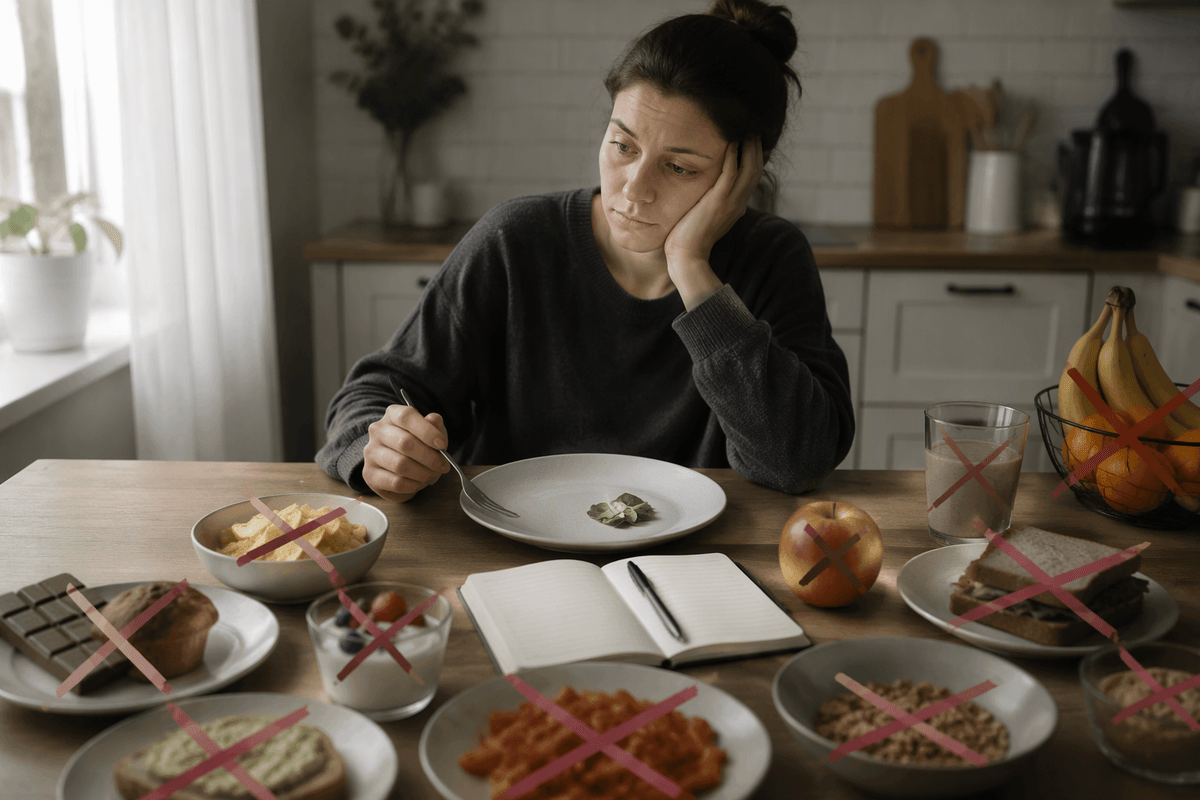
After noticing a possible reaction to a meal, it can feel safer to remove several foods at once. Soon, the list may include dairy, gluten, sugar, processed foods, caffeine, alcohol, or anything that seems remotely connected to discomfort. The broad restrictions can reduce calories, variety, and enjoyment without showing whether any one change mattered. Appetite may already be uneven during recovery, so a highly limited diet can add fatigue or make weight changes harder to interpret.
Food journals can also become stressful when every sensation is treated as evidence. Bloating, nausea, chest discomfort, and tiredness may overlap with medication effects, reduced activity, anxiety, or the underlying recovery process. Unless a clinician has identified a specific intolerance or another reason for restriction, gradual, balanced meals are often easier to sustain than eliminating entire food groups. A pattern of declining appetite, unintended weight loss, repeated vomiting, or increasing weakness is more important to report than proving that one ingredient is inflammatory. Sometimes the most helpful step is replacing a growing list of food rules with clearer observations.
Questions To Bring Into Follow-Up Care
At follow-up, a short list of observations may be more useful than a long list of suspected “inflammatory” foods. Ask whether changes in chest discomfort, appetite, weight, swelling, blood pressure, or activity fit the expected recovery pattern. Bring the timing of meals, alcohol, medicines, and symptoms if a connection seems to repeat. It is also reasonable to ask whether salt or fluid intake needs adjustment for your specific situation, rather than adopting a general restriction found elsewhere.
Questions about medication timing, stomach irritation, supplements, and when normal activity can resume may clarify what is actually limiting recovery. Mention unintended weight loss, persistent nausea, increasing fatigue, or difficulty maintaining regular meals, even if no single food seems responsible. Worsening chest pain, breathlessness, fainting, rapidly increasing swelling, or a marked change in symptoms should not wait for a routine appointment. Follow-up is less about proving that diet caused pericarditis and more about separating manageable meal patterns from changes that deserve medical attention.