Plan snapshot; MD transit pass; O museum card; S car.
I almost rented a small car for “flexibility,” then pictured myself circling one-way streets, paying hotel parking, and losing time to low-emission-zone rules I didn’t want to learn on the fly. For a 3–4 day break based near central Brussels, the plan that actually keeps momentum is simple: build your days around walkable clusters, use transit when your legs stop cooperating, and accept that you won’t “collect” every museum.
My baseline choice was a multi-day STIB/MIVB transit pass, mainly because it turns small decisions (one more tram vs. a long walk) into non-decisions when the weather flips or you’re running late. It works especially well for the Atomium area and for hopping between neighborhoods without doing the “is this worth a ticket?” math each time.
I kept the museum card as an optional add-on rather than a default purchase: it pays off only if you’re committing to multiple paid museums on consecutive days, and Brussels museums can eat more time than you expect. Skipping the car also makes the Antwerp day trip cleaner—train in, walk a lot, and you’re not locked into a return drive when dinner runs long.
Day 1 Center; MD Grand Place; O comics; S Atomium.
I started Day 1 by testing the “center first” idea with a simple constraint: get to Grand Place before the big midday wave, or accept you’ll see more selfie sticks than stonework. Going early made the square feel like an actual civic space rather than a backdrop, and it also gave me a clean read on how compact the core really is—useful when you’re deciding whether to squeeze in one more stop or retreat for lunch. If you arrive closer to noon, it still works, but plan on slower walking and fewer good sightlines.
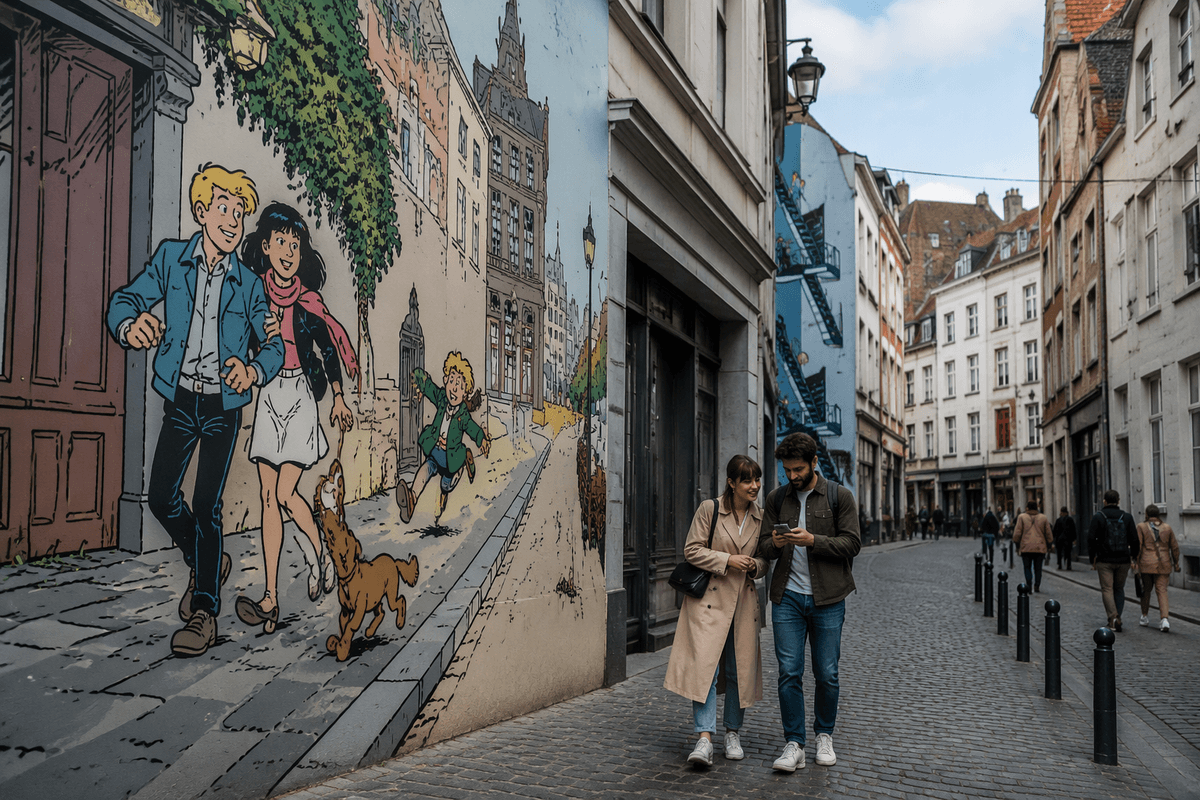
From there, I treated the comics route as an optional detour, not a mission. The murals are fun precisely because they break up the “monuments, monuments, monuments” cadence, but the trade is navigation: you’ll zigzag a bit, and it’s easy to burn an hour hunting a wall you’ve half-saved on your phone. I liked it most as a reset between heavier sights—especially if you’re traveling with someone who doesn’t want another church interior yet.
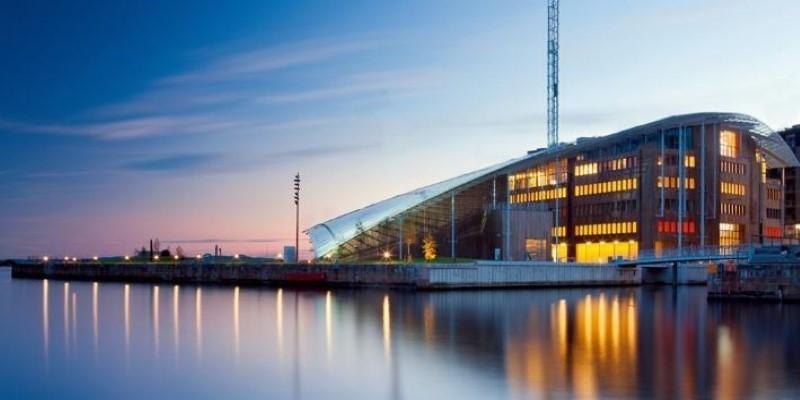
Atomium was the evening swing, and this is where the transit pass earns its keep: it’s far enough that walking is a non-starter, but straightforward by metro/tram once you commit. The catch is timing—late afternoon can feel rushed if lines are long, yet going too late risks spending more time commuting than inside. If your energy is fading, consider viewing it from outside and saving the full visit for a clearer, earlier slot.
Day 2 EU+Art; MD Magritte; O Cinquantenaire; S Mini-Europe.
I hesitated on Day 2 because the EU quarter can feel like “useful but cold” on paper, and Magritte can swallow a whole afternoon if you let it. The fix was committing to a morning museum slot, then letting the neighborhood do the rest. I aimed for the Magritte Museum at opening-ish so I wasn’t immediately stuck in a slow-moving queue, and it made a difference: you get a calmer first hour to actually read the rooms, then you can bail the moment your attention dips without feeling guilty. If you show up after lunch, the flow tends to be choppier—more groups, more stop-and-start—and you’ll spend the same time for fewer quiet minutes.
From there, Cinquantenaire works best as a decompression walk, not another “must-see interior.” It’s close enough to the EU institutions that you can stitch the area together on foot, but it’s still a long, straight stretch if your legs are already cooked. I liked it in the mid-afternoon when the light softens and you’re not rushing museum closing times; the park absorbs crowds better than the center, even when it’s busy.
Mini-Europe was my optional evening add-on, and it’s only worth it if you still have patience for curated kitsch. It’s fun in a “this is sillier than I expected” way, but it sits out by the Atomium, so you’re paying in transit time. If weather turns or you’re flagging, I’d skip it and spend that hour on a slower dinner back in town instead.
Day 3 Antwerp; MD Cathedral; O MAS; S diamond.
The only real decision on Day 3 was whether Antwerp deserved a “full day” or a “quick hit,” because the train makes it deceptively easy to overpack. I took an early-but-not-dawn departure from Brussels so I wasn’t starting the day stressed, and still arrived with enough morning left to walk straight from Antwerpen-Centraal toward the old town. That walk is long enough to feel it in your calves by mid-afternoon, but it’s also the cleanest way to understand the city’s layout without burning time on local transit for short hops.
The Cathedral of Our Lady is my anchor stop here: it’s central, it gives you the history hit fast, and it’s one of those interiors where you can stay 15 minutes or 60 without “doing it wrong.” The friction is timing—churches can be unpredictable with services or partial closures—so I treated it as flexible rather than the first hard appointment of the day. If you arrive right as tour groups roll in, the space feels narrower than it is, and it’s better to step out, grab a coffee, and come back than to force it.
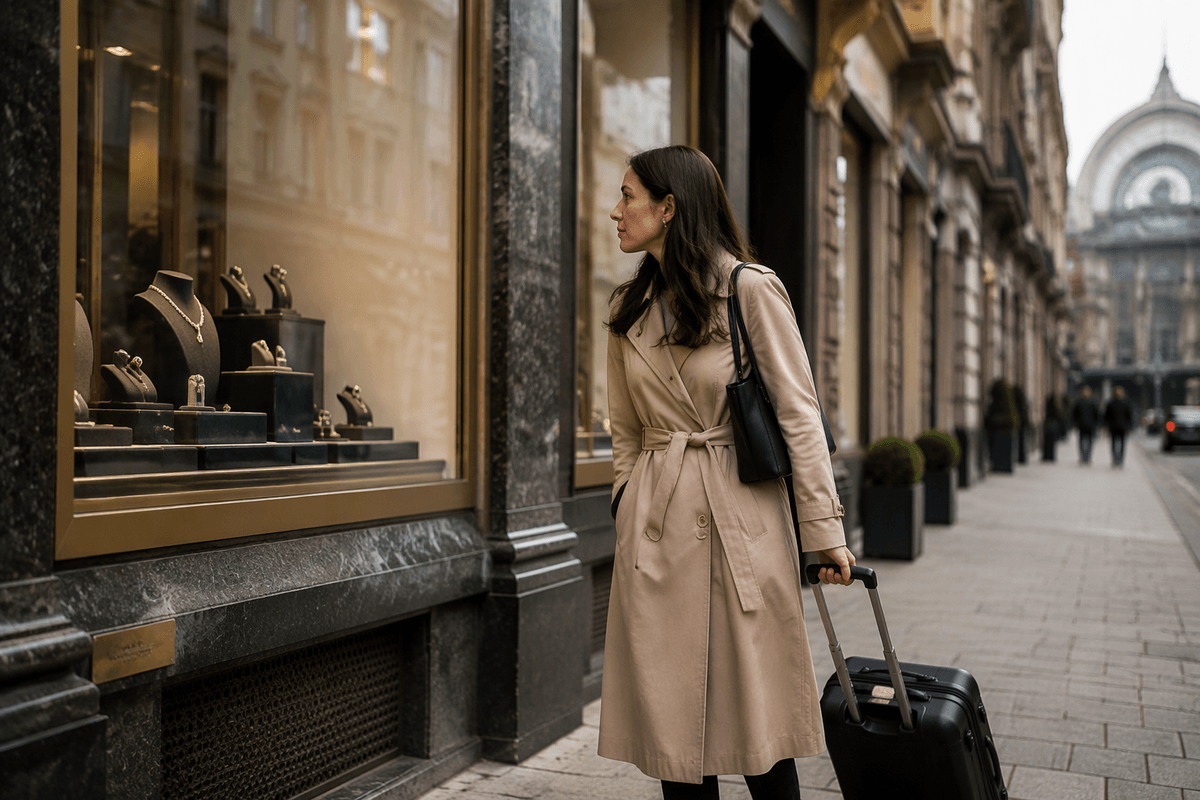
For the afternoon, the MAS worked when I wanted something structured again, but it’s a commitment: it’s farther north, and you’ll spend time just getting there and resetting your brain for another museum-style visit. I skipped a deep diamond dive and kept that topic to a quick pass near the station instead—interesting, yes, but it can turn into window-shopping purgatory if you’re not actually buying. The win of this pacing is getting back to Brussels before you’re too tired to enjoy dinner; the cost is accepting you won’t see every Antwerp neighborhood that looks good on a map.
Wrap-up; MD waffle farewell; O last stroll; S rush home.
On the last morning, I kept the “farewell waffle” plan deliberately unambitious: one good waffle near the center, eaten slowly enough that it actually felt like breakfast instead of a sugar sprint between check-out and the station. The hard part is that the most convenient spots are also the most crowded, so you’re choosing between time (grab-and-go, less charm) and a calmer sit-down (a short wait, but you leave less frazzled). If your train or flight is tight, prioritize predictability over perfection.
I used whatever time was left for a final, low-stakes stroll—no tickets, no lines, just letting one neighborhood block surprise me. It’s the best kind of spontaneity because it doesn’t punish you for bailing early when bags get heavy or weather turns. The only non-negotiable: start drifting toward Bruxelles-Midi earlier than feels necessary. The station works fine, but the approach can get slow with foot traffic and platform changes, and “one last stop” has a way of becoming the reason you’re sprinting.