Choosing Singapore neighborhoods: what matters most
The first real decision isn’t what to see—it’s where you’ll “recover” between stops. Singapore looks compact on a map, but heat, sudden rain, and mall-to-hawker-to-MRT transitions add friction fast. I’d prioritize a base that puts you within one easy MRT ride of two things you’ll use daily: a hawker center (cheap, quick meals) and an air-conditioned mall (breaks, restrooms, backup plans).
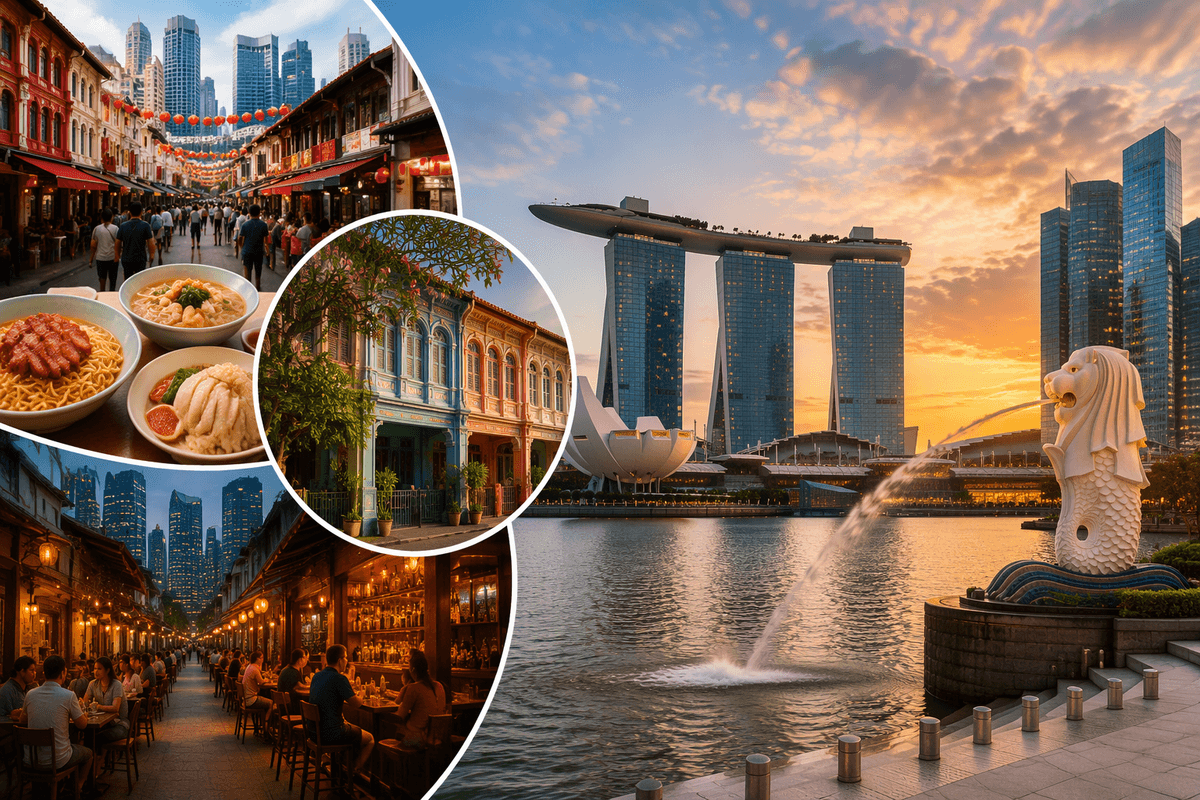
Then group neighborhoods by what they bundle. Marina Bay/Civic District stacks skyline and museums but can feel exposed midday. Chinatown/Tiong Bahru wins on hawker density, but queues spike on weekends. Orchard is effortless for shopping and weather-proofing, yet pricier and less “local.” If you only have 3–5 days, pick 2–4 areas on connected lines and avoid cross-island detours at peak hours.
Hawker classics: Chinatown, Maxwell, Tiong Bahru
I learned quickly that hawker “convenience” isn’t just distance—it’s timing. Hit Chinatown Complex earlier (late morning or a slightly early dinner) and it’s a smooth, low-cost anchor with plenty of cover if the weather flips. Show up at peak lunch on a weekend and the same stalls become a slow-moving line puzzle, especially if you’re trying to keep everyone fed before the next MRT hop.
Maxwell Food Centre is the cleanest pairing with a sightseeing day: you can slot it between the CBD/Marina Bay edge and Chinatown without feeling like you’ve burned half an afternoon in transit. The trade-off is popularity—some famous stalls create bottlenecks, so it works best if your group is willing to split orders and regroup with trays instead of queueing as a single unit.
Tiong Bahru is the calmer, slightly more residential counterpoint. The market and hawker center make a solid breakfast-to-lunch stop, and the surrounding blocks are walkable—until the heat catches up. I’d plan it with a nearby mall or an MRT “cool-down” leg in mind, because lingering outside between cafés and shops can quietly drain your energy for the evening.
Trendy bites and bars: Tanjong Pagar, Duxton
The first time I aimed for “just a quick drink” in Tanjong Pagar, the friction wasn’t distance—it was choice. Duxton Hill and the surrounding lanes pack enough bistros, cocktail bars, and dessert spots that you can waste an hour circling in humidity, especially if you’re hunting for a specific vibe or a table for four.
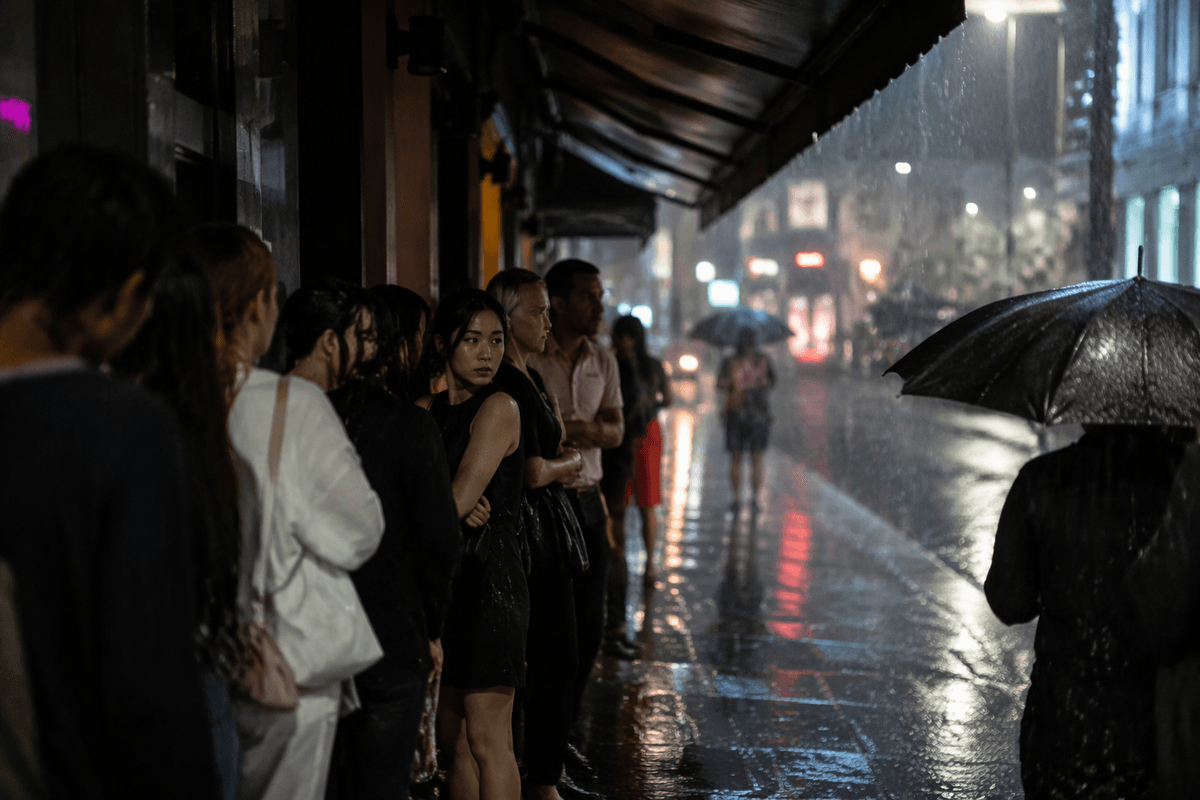
What works well is using the MRT as a hard reset: come in around sunset, let the heat drop, and treat this area as your evening hub after a hawker-heavy day. The popular places compress into short streets, so you’ll either queue or stay flexible. If rain hits, duck into a nearby covered stretch and commit to the next place with space rather than chasing a “top pick.”
Shopping hubs: Orchard, Bugis, Kampong Glam
I usually underestimate how much shopping is really “weather strategy” in Singapore. Orchard is the easiest reset button: step off the MRT, disappear into connected malls, and you can salvage a stormy afternoon without losing momentum. The trade-off is cost and character—meals skew pricier, and if you’re chasing street-life texture, Orchard can feel like an efficient tunnel system.
Bugis works better when you want variety without committing to luxury. You can bounce between air-conditioned malls and more budget-friendly finds, but it’s also where foot traffic can thicken fast—weekend afternoons turn simple errands into slow weaving. I liked it most as a mid-day stop between sights, not as the main event.
Kampong Glam adds the payoff: smaller shops, cafés, and a more distinctive streetscape. It’s walkable, but less “fully covered,” so plan it for early evening or after rain, and keep a mall stop in your back pocket if the heat spikes.
Iconic sights: Marina Bay, Civic District
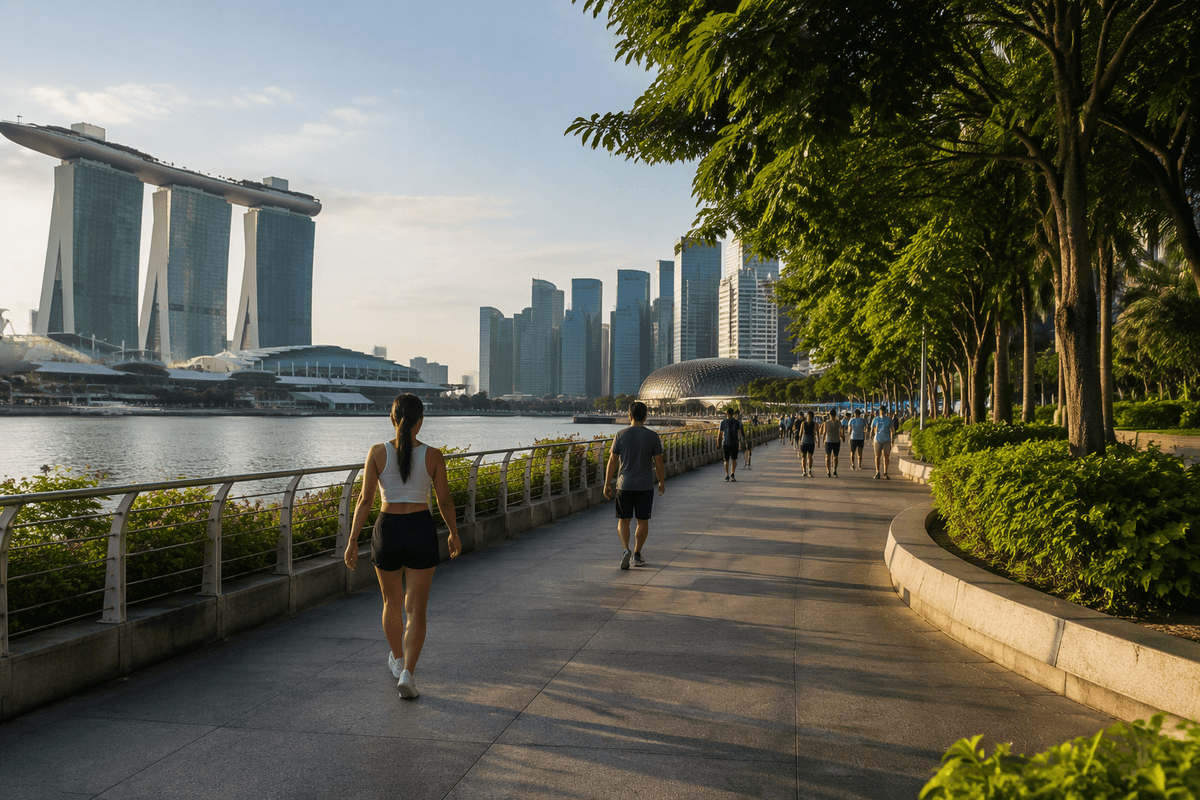
The first time I tried to “knock out” Marina Bay at noon, it turned into a slow, sweaty loop—big views, not much shade, and just enough open space that the heat feels louder. What worked better was treating it like an early-morning or post-4pm block: you get the skyline payoff with less glare, and it’s easier to justify lingering when you’re not constantly scanning for the next air-conditioned doorway.
Marina Bay is efficient for headline photos and a clean, walkable circuit, but it’s also where crowds and security checks can add invisible minutes. I’d pair it with a mall stop as a deliberate reset rather than an “if we need it” option—especially if rain threatens, because the bayfront experience loses a lot when you’re speed-walking under an umbrella.
The Civic District is the better mid-day play: museums and older buildings give you shade, indoor time, and a more forgiving pace when your energy dips. The trade-off is that it’s easy to overbook—two big museums back-to-back sounds tidy on paper, but your feet (and attention span) may tap out faster than your itinerary does.
Local feel and nature: Joo Chiat, East Coast
The moment I penciled in Joo Chiat, I hesitated—not because it’s hard to enjoy, but because it’s less “drop off the MRT and go.” Compared with Chinatown or Orchard, you pay a little in last-mile effort (often a bus hop or a longer walk), and that matters when the afternoon humidity is doing its worst. What worked for me was treating it as a slower half-day: arrive earlier, wander the shophouses while you still have patience, then plan a deliberate indoor reset (a café with real air-con, not just shade) before deciding how far you’ll push.
East Coast is the other kind of “local”: it’s space. The upside is obvious—sea breeze, paths that make walking feel easier, and a break from mall crowds—but the trade-off is distance and time-on-feet. If your trip is only 3–5 days, I’d slot it after a heavier city day as a recovery block, not as a must-do squeezed between two MRT-heavy neighborhoods. Go with a clear cutoff time, because once you’re tired, the ride back can feel longer than it looks on the map.
Building your mix-and-match neighborhood game plan
By the end, the plan that held up best wasn’t “see everything,” it was “link neighborhoods that forgive weather.” I’d pick one food anchor (Chinatown/Maxwell or Tiong Bahru), one evening zone (Tanjong Pagar/Duxton), and one weather-proof shopping reset (Orchard or Bugis), then treat Marina Bay/Civic District as a time-of-day block.
Practically: schedule your most exposed walking (Marina Bay, Kampong Glam streets, East Coast paths) for morning or after 4pm, and keep a mall or museum as your mid-day shelter. If it’s a weekend, assume hawker queues and bar waits—split up orders, or pre-decide two backup stalls so you’re not debating in line.
The real win is reducing cross-island hops: two focused areas per day beats four “nearby” pins that quietly stack transfers and fatigue.