Girona: small city, big countryside access
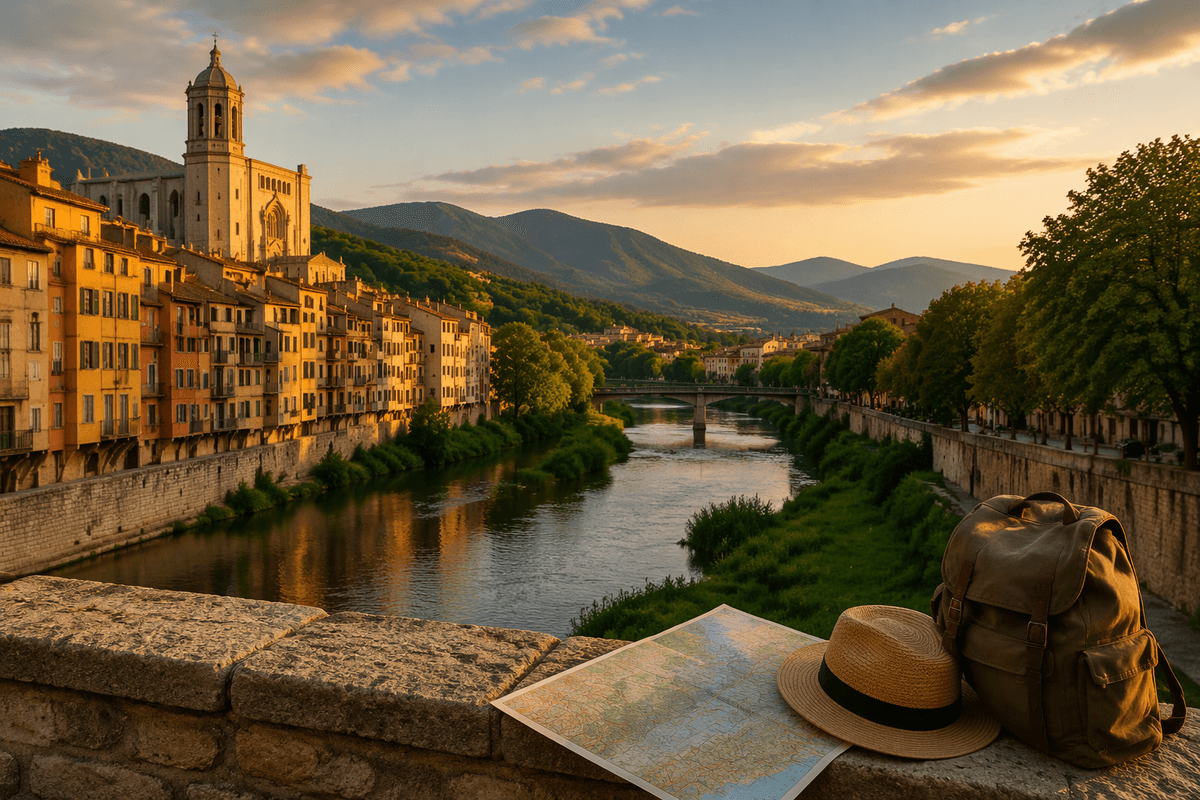
I realized Girona works as a base the first evening I walked from the train station to the old town in under 20 minutes, dropped my bag, and still had daylight for the river bridges—without the Barcelona-level noise tax. It’s small enough that you don’t “lose” an hour to metro connections every time you want dinner, but not so tiny that you’re stuck with one sleepy main street.
The countryside access is the real point: Costa Brava villages and beaches sit close enough to feel like day trips, Garrotxa’s volcanic zone is within reach, and the Empordà wine country is practically next door. What doesn’t work as well is the last-mile gap: trains and buses get you to key towns, but the best viewpoints, trailheads, and tucked-away wineries often assume a car (or pricey taxis). If you want spontaneity without logistical friction, Girona makes that easier than a big-city base.
Central positioning across Catalonia’s key regions
On the ground, Girona’s “center” feels less like a slogan and more like a logistics relief: you can point yourself toward the coast, the volcanic interior, or wine country without first spending an hour escaping a big city. That matters when you’re traveling as a pair or solo and don’t want every day to start with a commuter crush or a complicated transfer in a language you only half-follow.
The sweet spot is that most headline day trips sit in the roughly 30–90 minute range from Girona, which keeps your days shaped like outings—not expeditions. Rail and bus handle the bigger nodes well (beach towns with stations, larger inland towns), and it’s usually cheaper than renting a car every day, but you pay in rigidity: fewer departure options, earlier last returns, and more “close enough” stops that still leave you with a walk or taxi.
Where Girona stops being the perfect hub is when your trip leans heavily urban (multiple Barcelona museum evenings, late dinners, nightlife) or when you want to hop between tiny villages daily without checking schedules. In those cases, either split bases or commit to a car-centric plan so you’re not constantly negotiating the map.
Fast connections: rail, roads, and airport options
The first time I used Girona as a base, the deciding moment was standing in the station looking at two options: a fast train that made Barcelona feel oddly “close,” or a slower regional route that was cheaper but ate into the morning. Girona’s rail setup is genuinely helpful for low-stress logistics—especially if you’re not eager to decode announcements—because the main flows are simple: Girona ↔ Barcelona, and Girona ↔ Figueres for Dalí-country. The limitation is that the fastest trains can be pricier and less flexible if you’re making last-minute plans, so you either commit to a schedule or accept the slower, more frequent alternatives.
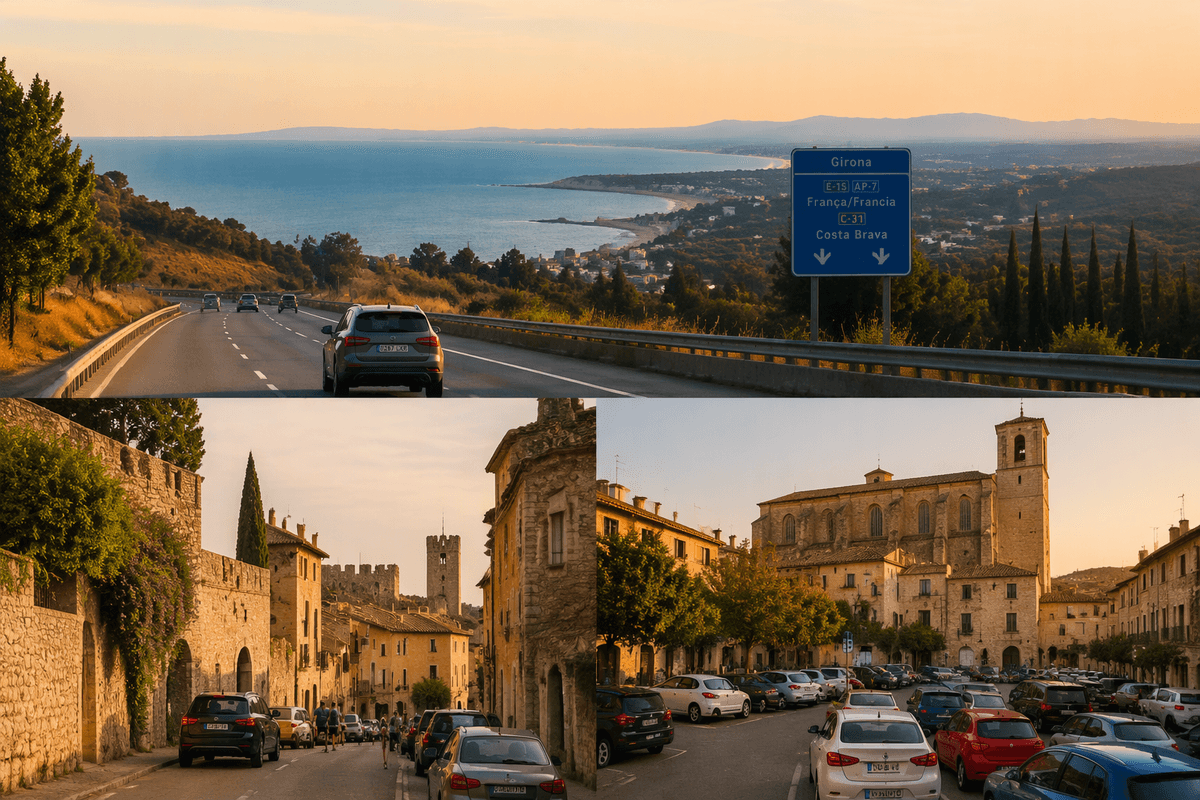
Road connections are where Girona quietly wins time. You can be heading toward the Costa Brava or the volcanic interior without the “escape velocity” problem you get from a big city, but you’re trading that for parking decisions once you arrive—beach towns and small medieval centers can turn into a frustrating loop at peak hours. Girona’s airport is a useful bonus rather than a guarantee: it can be perfect for budget flights, but routes are seasonal and limited enough that you still want Barcelona’s airport in your back pocket if timing matters.
Best countryside day trips from Girona
My first “day trip” decision from Girona was whether to chase coastline aesthetics or keep the day frictionless—and that’s really the split here. If you want a low-planning win by public transport, take the train toward the Costa Brava’s bigger nodes (think beach towns with stations like Sant Pol de Mar/Calella on the Barcelona line, or up toward Figueres then onward for the northern coast). It works well when you’re fine with a beach day that’s more “easy access” than “secret cove.” The catch is that the prettiest stretches of the Camí de Ronda don’t line up neatly with stations; you can end up paying for a taxi or burning energy on a long walk in midday heat.
For the interior, Garrotxa is the most forgiving “countryside feel” without needing a heroic start time. Olot and nearby towns are doable by bus, and you can stitch together a volcanic-zone day that still gets you back to Girona for a calm dinner. Where it gets tricky is the last-mile: trailheads, smaller villages, and viewpoint stops are often awkward without a car, so your route choices narrow fast.
If you’re picking one rental-car day, I’d spend it on the coast’s smaller coves or the Empordà wine-country villages—places where stopping for a quick viewpoint or a short detour is the whole point. Just don’t underestimate parking: arriving late can turn a “scenic loop” into a slow hunt for a space, and that’s where Girona stops feeling like a cheat code and starts feeling like everyone had the same idea.
Why staying in Girona beats Barcelona for calm
One night in Barcelona was enough to remind me how quickly “just dinner” turns into a minor project: packed sidewalks, louder terraces, and the constant sense that you should be squeezing in one more thing because you’re there. Girona, by contrast, lets your evenings actually land. You can finish a day trip, shower, and be walking the old town in ten minutes—no metro math, no deciding which neighborhood is “most convenient,” and far less energy lost to crowds.
The calm isn’t just vibes; it changes what you can realistically do all week. From Barcelona, many of the same countryside plans are possible, but you often pay an extra hour (or more) of escape-and-return time, plus the stress tax of peak stations and more complicated transfers. Girona makes the “medium-distance” day trips feel casual—especially if you mix train/bus days with one targeted car day for places that don’t play nicely with schedules. The only time Barcelona wins outright is if your trip is genuinely city-first (museums, nightlife, late dinners) or you want to avoid renting a car entirely; Girona’s serenity comes with fewer late-night options and less forgiving last-mile transit.
Practical base tips: where to sleep and park
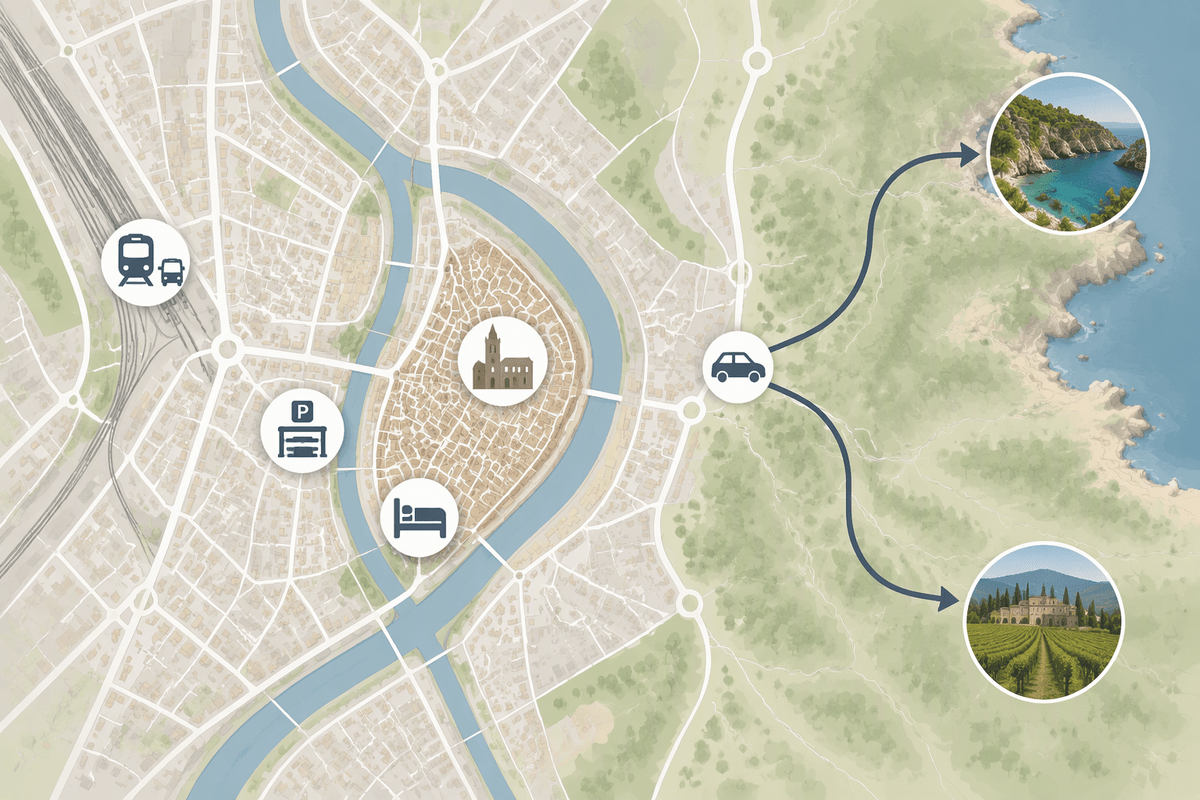
I learned quickly that where you sleep in Girona matters less for “sights” and more for how often you want to touch your luggage. If you’re doing day trips by train, staying within an easy walk of Girona station (or at least on a straight bus/taxi line to it) makes mornings calmer and lets you choose the slower, cheaper trains without feeling punished. The old town is more atmospheric at night, but the streets and stairs can be tiring with bags—great for a couple of relaxed evenings, less great if you’re moving around a lot or arriving late.
Parking is the real sanity test if you’re mixing in a rental car. I’d avoid booking a hotel that requires threading the historic center by car; it’s doable, but it turns a simple return into a tight, sign-reading exercise. The smoother setup is: sleep central enough to walk to dinner, but park in a larger, easy-access garage or lot you can enter/exit without circling. Also, if you only need a car for one or two days, picking it up the morning you leave (and dropping it right after) saves both money and the daily “where did I leave it?” friction.
Who Girona suits—and when to choose elsewhere
I’d choose Girona if your ideal week is: quiet evenings you can actually recover in, plus day trips that don’t start with fighting a big-city commute. It suits solo travelers and couples who want “one home base” simplicity, don’t speak much Spanish/Catalan, and are comfortable mixing easy train/bus days with one deliberate rental-car day for the stubborn, last-mile places.
I’d pick Barcelona (or split bases) if your trip leans city-first—late dinners, museums stacked across neighborhoods, nightlife—or if you’re determined to stay 100% car-free while still chasing small villages and hidden coves; that combination gets time-consuming fast. If you’re on the fence, decide by evenings: if calm matters more than constant options, book Girona and stop negotiating the map every night.